

































































































































































































































































































































































Understanding Potato Glycemic Index: What Every American Should Know

When it comes to diet and blood sugar management, understanding the potato glycemic index is critical. Potatoes are a staple in many American diets, loved for their versatility and comfort food status. However, their impact on blood sugar levels can vary widely depending on the type of potato and how it is prepared. In this blog, we’ll explore the glycemic index of potatoes in depth, uncover expert insights, and provide practical tips for making informed dietary choices that fit your lifestyle and health goals.
What Is the Potato Glycemic Index?
The glycemic index (GI) is a scale that measures how quickly carbohydrates in foods raise blood sugar levels. Foods with a high GI cause rapid spikes, while low GI foods result in a slower, steadier release of glucose into the bloodstream. The potato glycemic index generally falls within the medium to high range, but this varies depending on factors like potato variety, cooking method, and portion size.
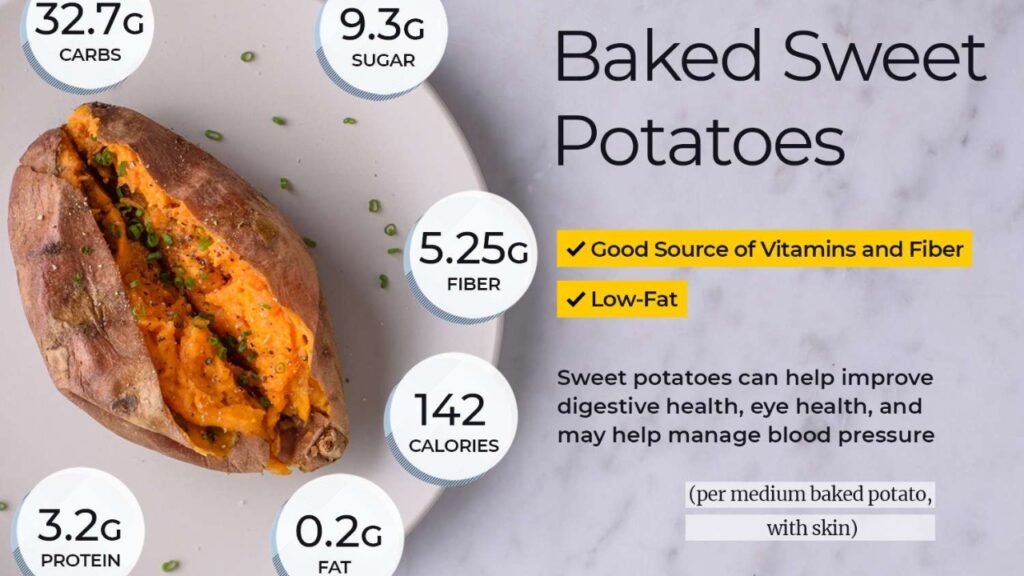
For example, starchy potatoes such as Russet potatoes tend to have a higher GI, often ranging from 78 to over 100, making them some of the highest GI foods. In contrast, waxy and new potatoes typically have a medium GI between 56 and 88. Sweet potatoes usually have a lower glycemic index, making them a healthier alternative for blood sugar control.
Why Does the Glycemic Index Matter for Americans?
Diabetes and prediabetes affect millions of Americans, making blood sugar management a key public health topic. Understanding the impact of foods like potatoes on blood sugar helps individuals make smarter choices. The potato glycemic index is particularly relevant because potatoes are so widely consumed in the U.S., from baked potatoes and fries to mashed potatoes and potato chips.
Dr. Alice Chen, a registered dietitian and expert in glycemic response, explains, “Knowing the glycemic index of foods like potatoes empowers people to personalize their diets, especially for those dealing with insulin resistance or diabetes. Choosing lower GI potatoes or adjusting cooking methods can make a significant difference in blood sugar control”.
Moreover, glycemic load (GL) complements the GI by considering serving size and total carbohydrate content, providing a fuller picture of a food’s impact on blood glucose. For instance, the average glycemic load of a medium boiled potato is moderate, around 12-14, but mashed potatoes often have a higher GL, closer to 17 or above, increasing their blood sugar impact.
Factors Influencing Potato Glycemic Index
Potato Variety
Different potato varieties have different starch compositions that influence GI. Starchy potatoes such as Russets are more rapidly digested, causing faster blood sugar spikes. On the other hand, waxy potatoes like red and fingerling varieties usually have lower GI values due to their dense, less starchy structure.
Cooking Method
How potatoes are prepared dramatically affects their glycemic index. Boiling potatoes generally results in a lower GI compared to baking or frying, since boiling limits starch gelatinization, slowing glucose release. Cooling boiled potatoes after cooking also encourages the formation of resistant starch, which further reduces GI.
Portion Size and Pairing
The amount of potato consumed and what it is eaten with matter as well. Smaller servings and pairing potatoes with fiber-rich vegetables or proteins can slow carbohydrate absorption, mitigating blood sugar spikes. Portion control remains a central strategy for managing the impact of potatoes on glucose levels.
Incorporating Potatoes into a Balanced American Diet
Potatoes need not be avoided altogether. They provide important nutrients such as vitamin C, potassium, and dietary fiber. For Americans aiming to balance health and flavor, here are some tips to enjoy potatoes wisely:
- Opt for lower GI varieties like new potatoes or sweet potatoes.
- Choose cooking methods such as boiling or steaming over frying or baking.
- Cool boiled potatoes before eating to increase resistant starch content.
- Serve potatoes alongside lean proteins and non-starchy vegetables.
- Monitor portion sizes and individual blood sugar response, especially for diabetics.
These strategies align with the latest nutrition science and can help maintain steady blood sugar levels without sacrificing enjoyment.
Expert Insight on Potato Glycemic Impact
Dr. Alice Chen emphasizes the evolving understanding of the glycemic index in diet planning. She says, “The glycemic index is a valuable tool, but it’s one piece of the puzzle. Considering glycemic load, fiber content, and overall meal composition helps provide a comprehensive approach to blood sugar management.” Her advice underscores the importance of personalized dietary choices grounded in scientific evidence.
Conclusion: Navigating Potato Choices for Better Blood Sugar Control
In summary, understanding the potato glycemic index enables Americans to enjoy this beloved food more mindfully. The glycemic response of potatoes varies based on variety, cooking, and consumption context. By selecting lower GI options and employing thoughtful preparation and pairing, potatoes can fit healthfully into a balanced diet.
For those managing diabetes or prediabetes, consulting with healthcare professionals and monitoring individual responses remains crucial. With informed choices, potatoes don’t have to be off-limits—they can be part of a flavorful, nutritious lifestyle.
By embracing the science behind the potato glycemic index, Americans can savor their meals while supporting their health and well-being.
you may also like
Medicated Vaseline: Your Ultimate Guide to Healing and Skin Protection