































































































































































































































































































































































































Low Fat Milk, Better Choice? An Insight into the Secret of the Hot Drink

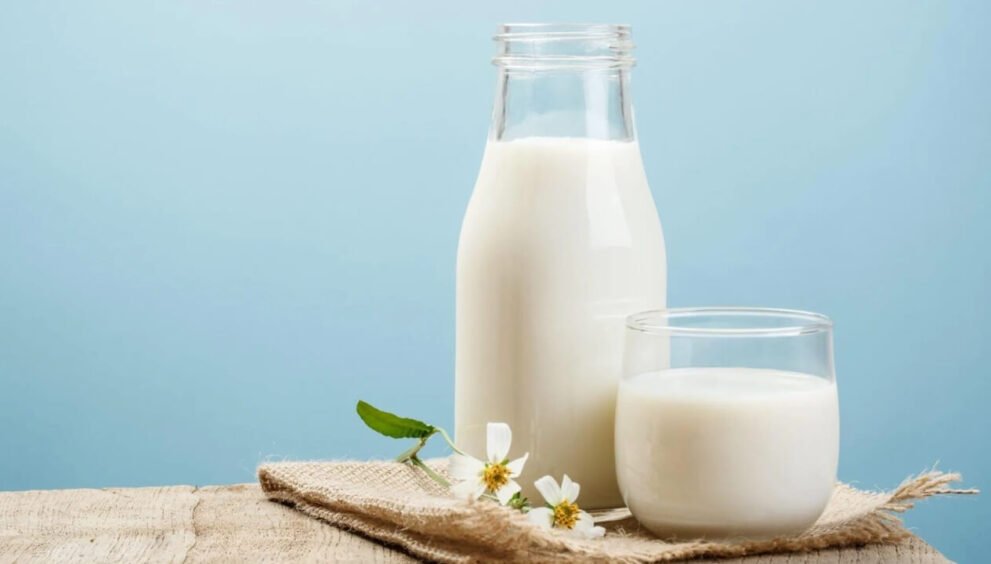
Over the past few years, low-fat milk has gained popularity even among the ordinary people who seek to be healthy. As more individuals turn to healthy food, milk could be said to be a staple product in most households having its origin within the USA and the UK, the beverage has greatly changed its preference towards low fat. Here is the matter though: Is the low fat milk really healthier? This blog will explore the advantages and disadvantages of having low-fat milk in your diet as well as the nutritional value of taking such a food, the possible adverse effects, and how it affects the general health.
Low-Fat Milk What is it?
Low-fat milk is made by the removal of most of the fat found in the common, whole milk. Generally, 1 percent of fat is found in low-fat milk compared to whole milk with its maximum of 3.5 percent fat. The process has enhanced the low-fat milk to be more appealing to individuals who want to cut calories or fat content without diminishing the remaining elements that can be consuming in milk.
The health value of low-fat milk The health benefit of low-fat milk can be traced in the milk heredity. The health benefits are that the milk is fat free, milk is free of artificial flavoring, milk is pure and of the best quality, milk is nutritious, and milk is low cal theory, low fat content, and low cholesterol level.
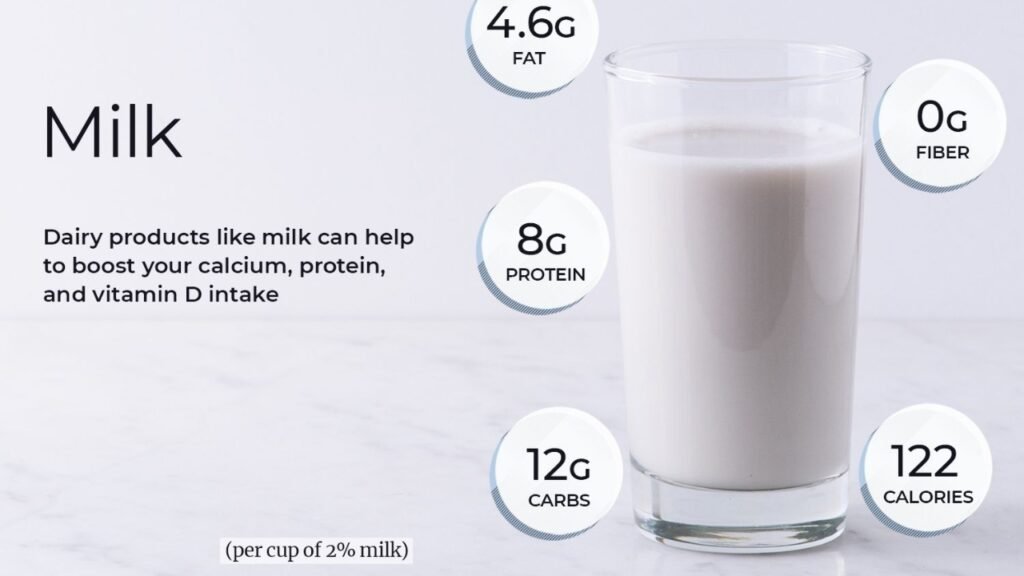
The low content of calories is one of the main causes why the low-fat milk is discussed as a healthier type. It has fewer calories when compared to whole milk, and this can aid in weight control. This is attractive to those who need to consume less in terms of calories yet continue to derive the nourishment of eating dairy products.
A Source of Nutritious Foods
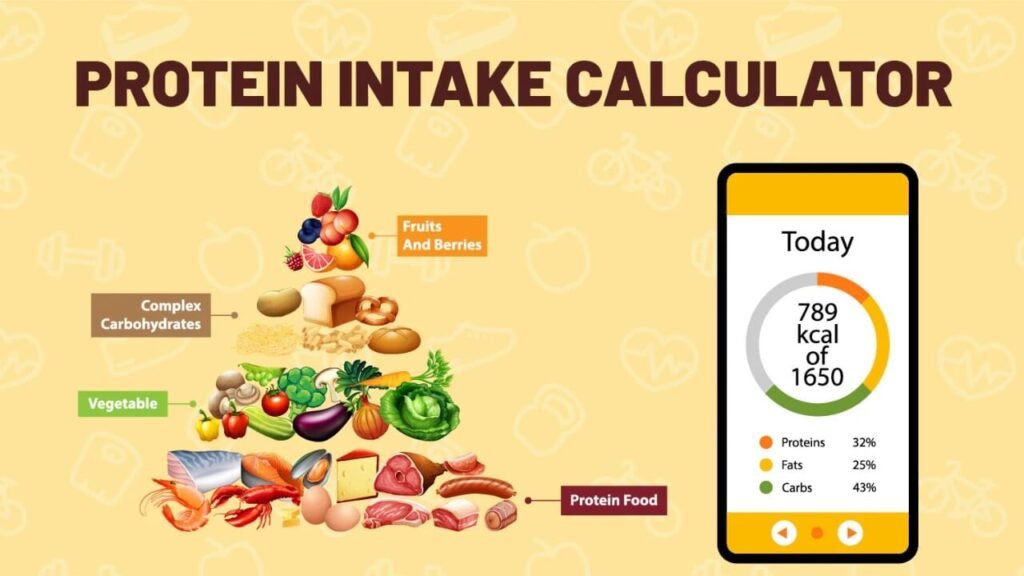
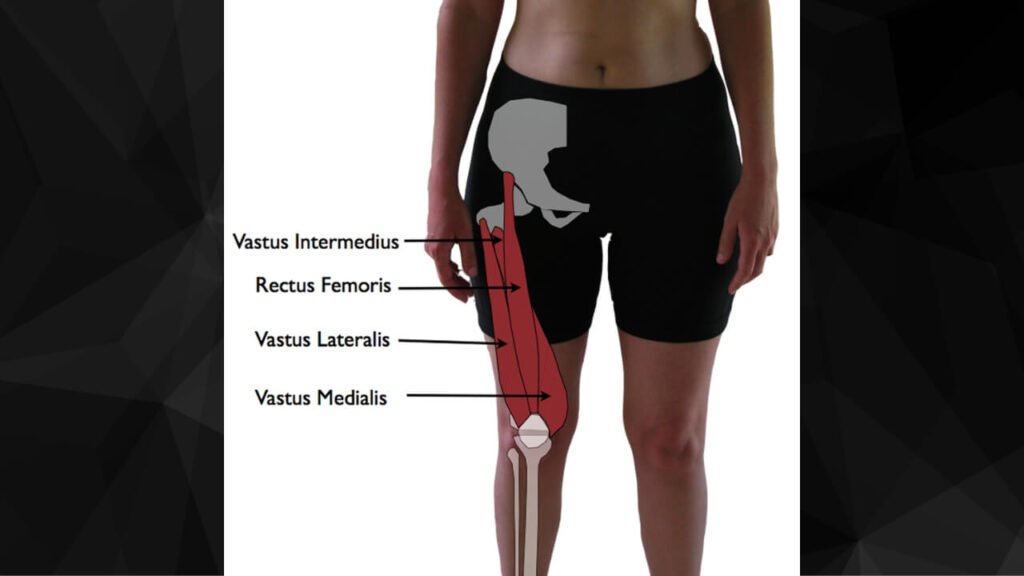
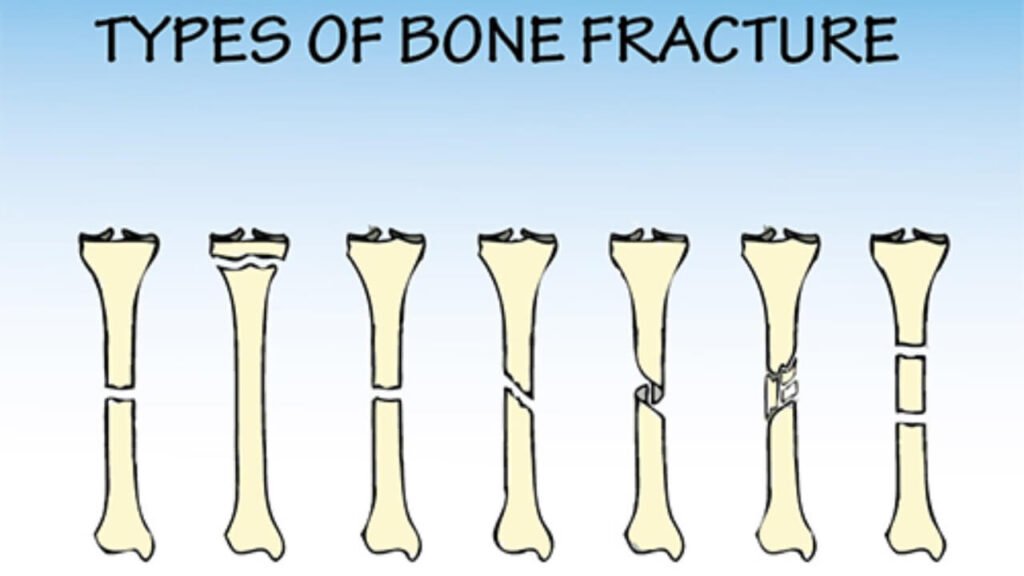
Low-fat milk is a good source of nutrients even though it is less fatty. It contains a lot of quality protein, calcium, and vitamins, including vitamin A, D, and B12. Such nutrients play a crucial role in bone health as well as body agility, muscle enhancement and survival. Moreover, low fat milk is a good source of potassium unknown to many people necessary to maintain the heart and kidney functioning.
Is Lower Fat Lower Risk of Heart Disease, Publishers Weekly?
The possible connection between fat consumption and coronary heart diseases has given low-fat milk a fair share of followers as a health drink that prevents cardiovascular diseases. Patients can hence avoid getting cardiovascular problems by intaking lesser quantities of saturated fats. Studies concur with this notion where cutting down on the consumption of saturated fat may have a favorable impact on cholesterol, which is essential to the heart. According to experts such as Dr. Sarah Lee, an expert cardiologist, she clarifies that small fat dairy can help in maintaining cholesterol levels in the body, thus essential in lowering the chance of heart diseases.
Possible Disadvantages of Low Fat Milk
Although low-fat milk comes with a great amount of advantages, there are certain drawbacks also that it may have. The elimination of fat is one of the most notable issues where a portion of the fat-soluble vitamins such as Vitamin A and Vitamin D are eliminated. Even though these vitamins get added back to the low-fat milk because of fortification, there is a problem on whether these vitamins in synthetic forms can be readily absorbed in the body.
Losing the Healthy Fats
Experiments have also shown that whole milk contains healthy fats e.g. omega-3 fatty acids, which are critical in terms of overall brain functioning and fat-soluble vitamin absorption. As fat with the low-fat milk is eliminated there is a risk that consumers would be losing some of the nutritional values attached to these healthy fats. Furthermore, whole milk contains fat content, which could be useful in promoting satiety and control of appetite.
Low-Fat Milk Content of Sugar
The other possible disadvantage of low-fat milk is the sugar content of the milk. In a bid to make up the flavor lost by removing fat, manufacturers in some cases may add extra sugars or flavoring to the low-fat foods. High intakes of sugar have been attributed to different health complications such as obesity and diabetes. Thus, by choosing low-fat milk, it is essential to remember that the label should include few added sugars.
Low-Fat Milk and the Weight Loss
Weight loss or weight management might be one of the targets of people, and low-fat milk may be useful in addition to a balanced diet. It provides less calories and fat hence a means of consuming milk without excessive calories. Nevertheless, one should keep in mind that the usage of low-fat milk will not ensure weight decreasing only because of the choice. It should be adopted in the well balanced eating where the focus is on the whole foods, exercising, and eating in control.
What are the Relative Comparisons of Low-Fat Milk in Comparison to Other Dairy?
Besides the standard low-fat type of milk, there exist several types of dairy-substitutes, which include almond milk, soy milk, and oat milk. Such substitutes usually come with special nutritive advantages, including low calorie values and the lack of lactose. Nevertheless, they may also be deficient in some nutrients such as calcium and protein that is available in the cow milk in the first place. It would be important to obtain fortified milk products when using plant-based milk products instead of low-fat milk due to a similarity in the type of nutrients provided.
Can Low Fat Milk Be Acceptable to All?
A low-fat milk is perfectly suitable to most people particularly people who want to lower their fat consumption or dieters. Nonetheless, it is not perfect to everyone. Whole milk can be considered as an alternative to other milk products to provide children, pregnant women, and persons who require increased energy intake with more fat content that is crucial to growth, development, and health in general.
Moreover, persons who are lactose intolerant or allergic to milk must resist milk consumption entirely, but instead use lactose-free milk or alternative milk.
The medical community on low-fat milk.
Researchers are still under examination of the collective advantages and disadvantages of low-fat milk. Dr. Lee says that low fat milk is a reasonable compromise on nutrition and does not include the high amounts of excess fat in many people. However, to some people, especially ones who have more demanding energy needs, full-fat dairy is more preferable. The fact remains that all this depends on the personal health requirements and nutritional objectives.
Conclusion
Low fat milk may be a befitting consumable to various diets as it contains the necessary nutrients but lacks the greater quantity of calories brought about by whole milk. It is good in terms of heart, bone, and muscle strength, thus making it a contender of the best product to someone who is intending to enhance his or her diet. Nevertheless, it should be noted that, as with any other food choice, it is necessary to consider both advantages and disadvantages with regard to personal health needs.
No matter why you decided to drink low-fat milk to regulate your weight, your cardiovascular condition, or just to have a cool drink, since it is based on the factors influencing its nutritional value and its possible drawbacks, you will find insights to make a correct choice. It is important to recollect that you should always talk to a health practitioner or dietician to work out what would suit your personal health requirements.