





























































































































































































































































































































































Sustainable Diet: How to Eat Green and Save the Planet Today

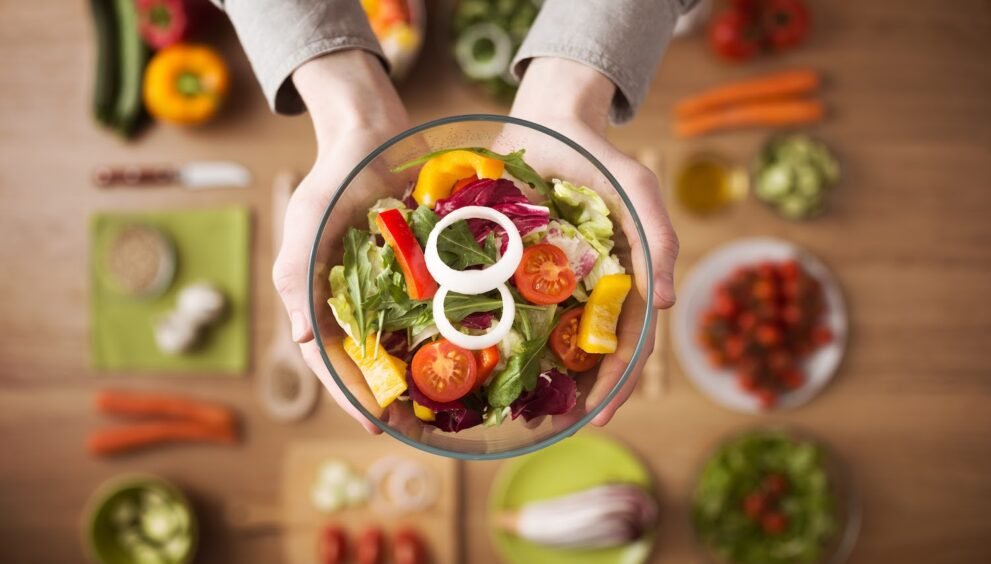
In an era where climate change headlines dominate and grocery prices soar, adopting a sustainable diet offers Americans a powerful way to nourish their bodies while protecting the planet. Picture savoring a vibrant, plant-heavy meal that not only delights your taste buds but also reduces your carbon footprint. A sustainable diet prioritizes eco-friendly food choices—think local produce, plant-based proteins, and minimal waste—without sacrificing flavor or nutrition. For Americans seeking practical ways to align their eating habits with environmental and health goals, this blog explores the ins and outs of sustainable eating, drawing from expert insights, community wisdom, and actionable strategies to make green living delicious and doable.
Understanding a Sustainable Diet
A sustainable diet is about making food choices that support both personal health and the planet’s well-being. It emphasizes consuming foods that have a low environmental impact, such as those requiring fewer resources like water, land, or energy to produce. Typically, this means prioritizing plant-based foods, locally sourced ingredients, and minimally processed products while reducing reliance on resource-intensive foods like red meat or heavily packaged goods. Unlike restrictive fad diets, sustainable eating is flexible, focusing on balance and long-term impact.
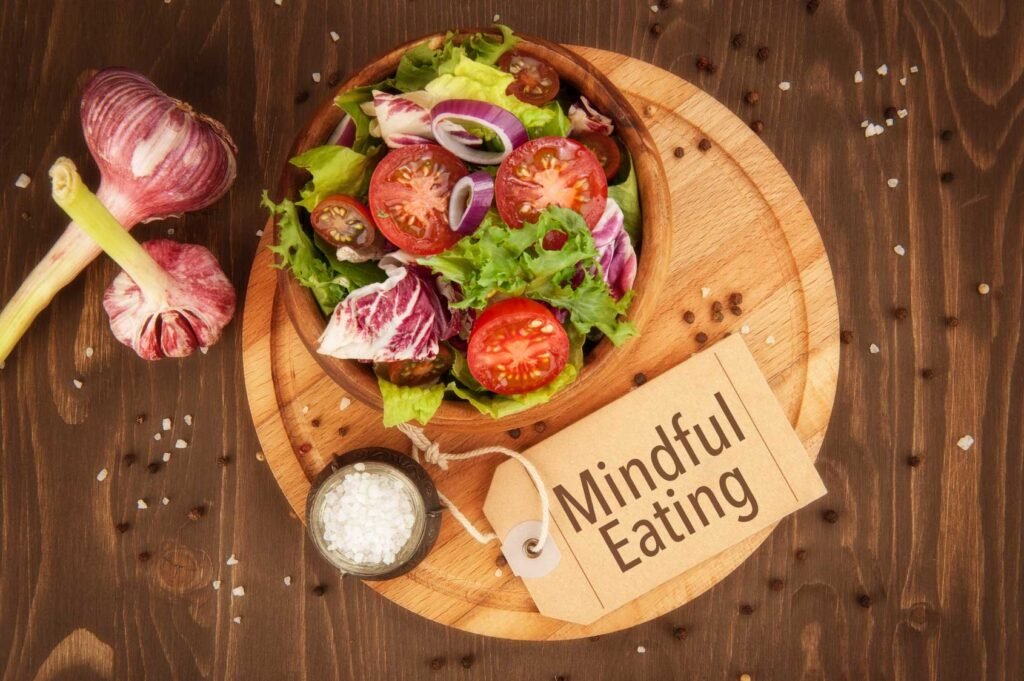
For many Americans, this approach feels like a natural evolution of mindful eating. It’s not about perfection but about making informed choices that align with values like health, affordability, and environmental stewardship. As one Reddit user in the r/sustainability community shared, “I started small with Meatless Mondays, and it’s been eye-opening how much my grocery bill and carbon footprint dropped.” Such real-world experiences highlight how sustainable diets can fit into busy, budget-conscious American lifestyles.
The Importance of Sustainable Diets
The impact of food production on the environment is staggering. Agriculture accounts for roughly 10% of U.S. greenhouse gas emissions, with livestock farming being a major contributor. Additionally, food waste—about 40% of food in the U.S. goes uneaten—clogs landfills and squanders resources. A sustainable diet tackles these issues by reducing demand for high-impact foods and minimizing waste, offering a tangible way for individuals to combat climate change.
Beyond environmental benefits, sustainable eating supports personal health. Plant-based diets, a cornerstone of sustainability, are linked to lower risks of heart disease, diabetes, and obesity. They’re also often more affordable, especially when focusing on seasonal, local produce or staples like beans and grains. Emotionally, adopting a sustainable diet can foster a sense of purpose, connecting everyday choices to a larger mission of planetary care. As Dr. Walter Willett, a professor of nutrition at Harvard, notes, “Shifting to sustainable diets is one of the most impactful ways individuals can reduce their environmental footprint while improving their health.”
How to Build a Sustainable Diet
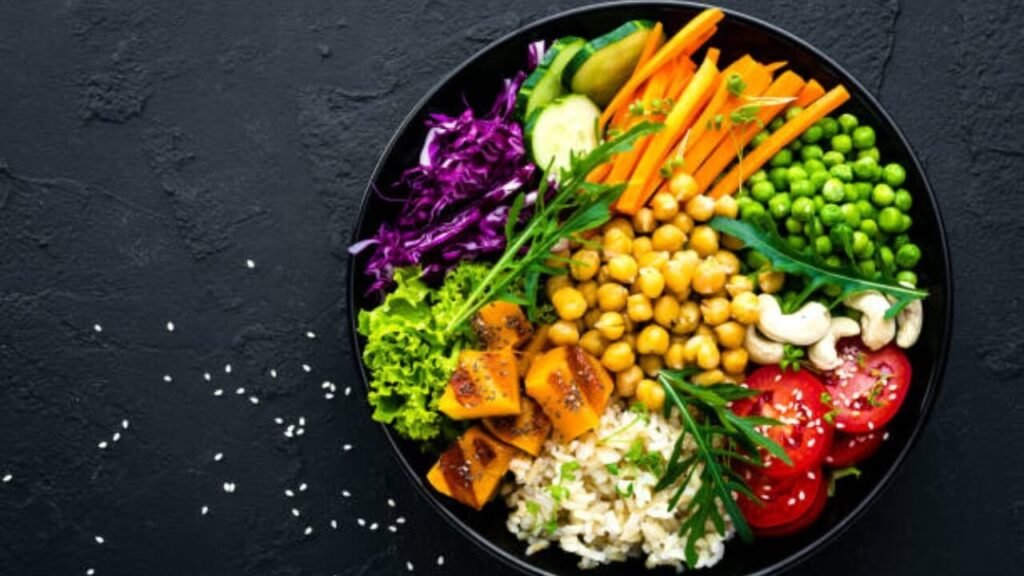
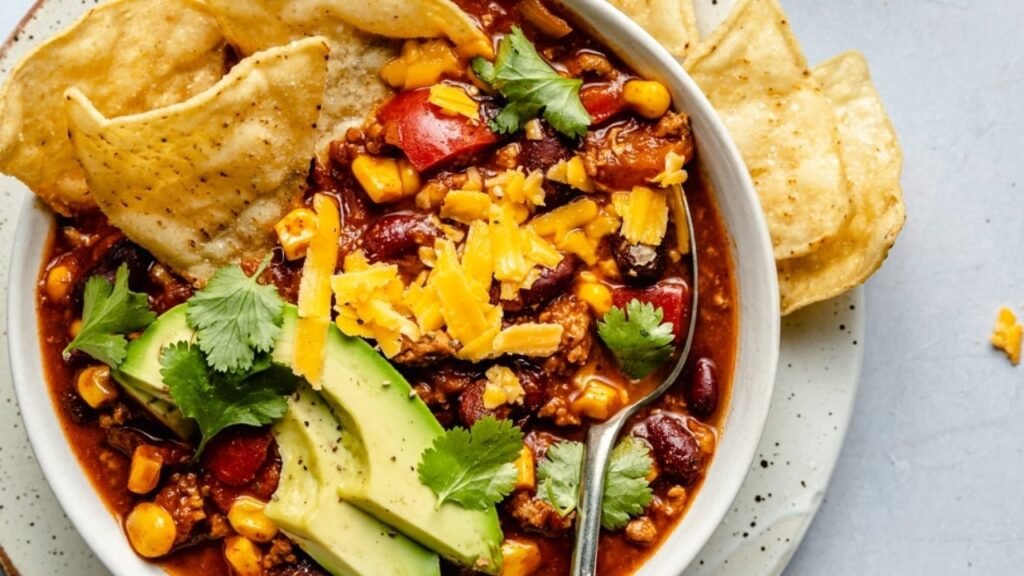
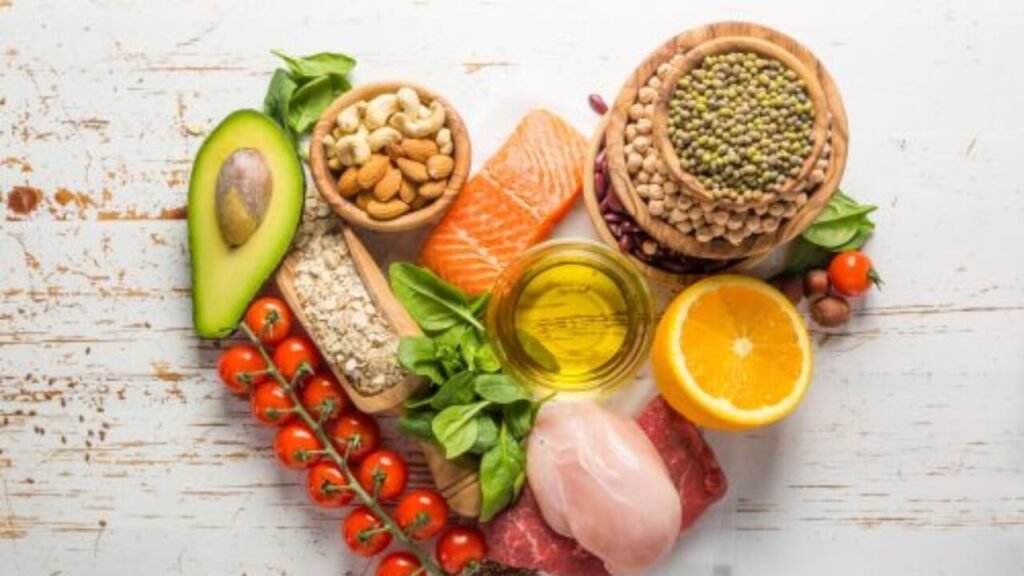
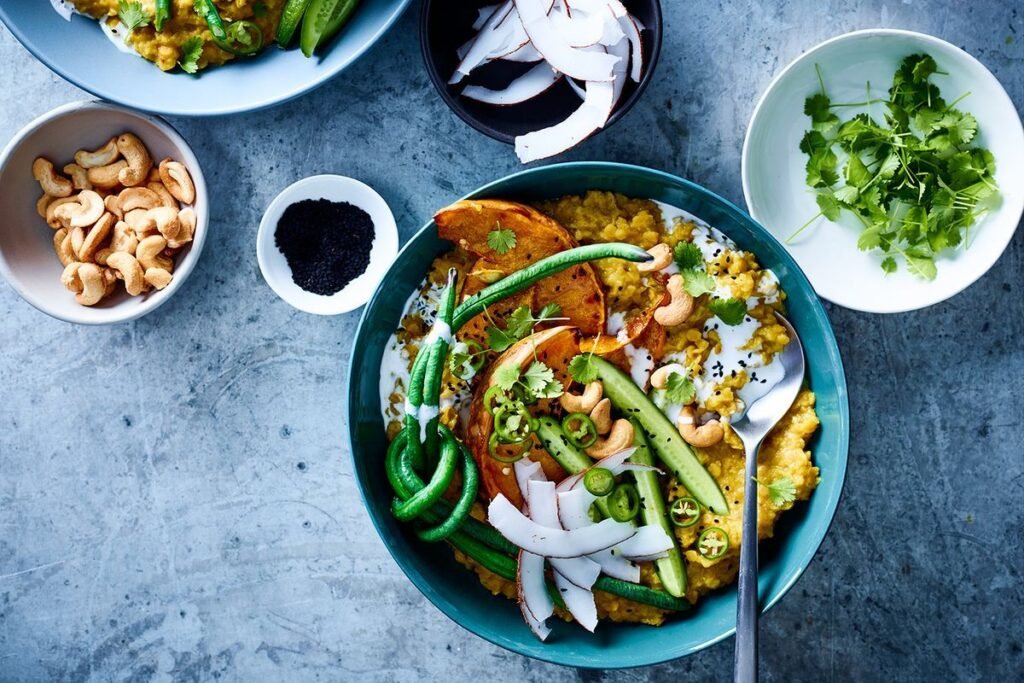
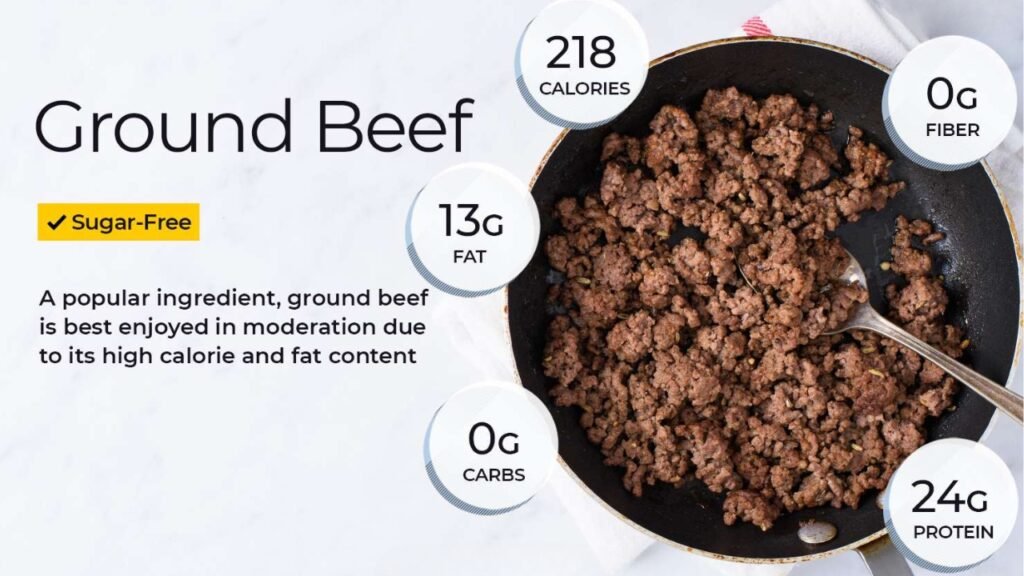
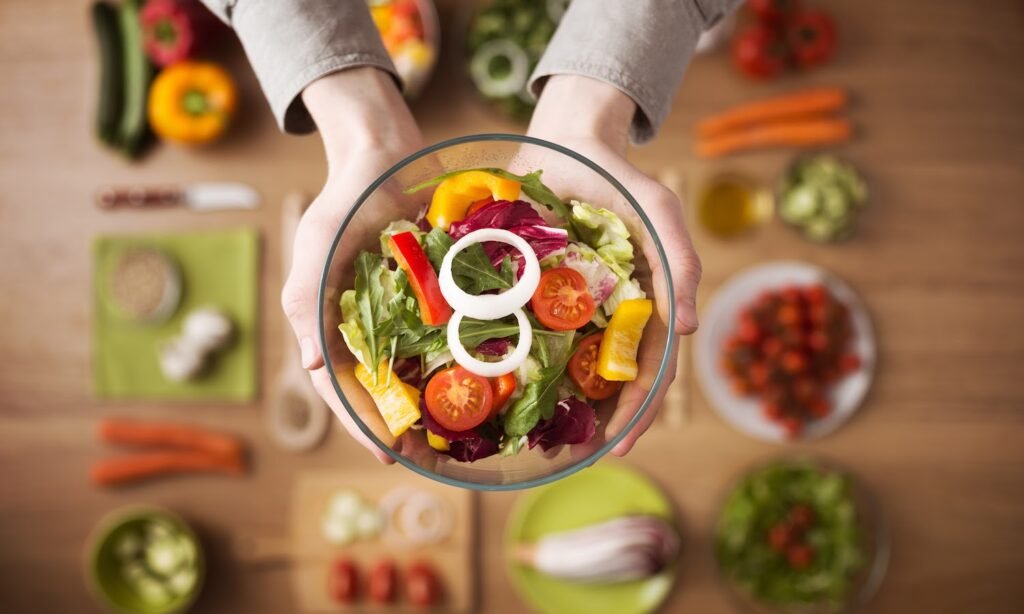
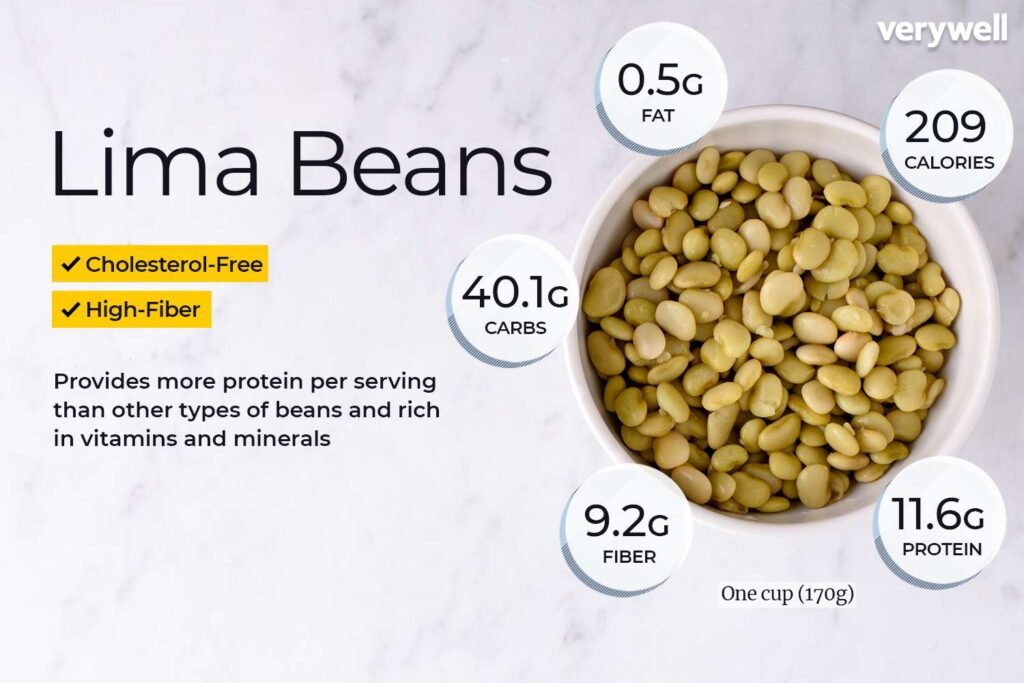
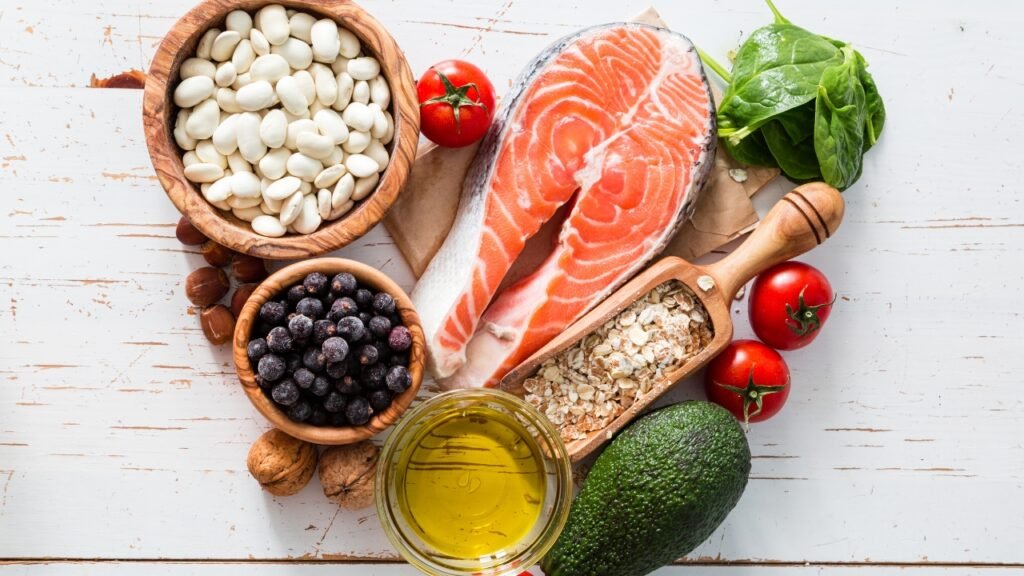
One of the most effective ways to embrace a sustainable diet is by increasing plant-based foods in your meals. Vegetables, fruits, legumes, nuts, and whole grains have a significantly lower environmental impact than animal products. For example, producing a pound of beef generates about 60 times the greenhouse gas emissions of a pound of lentils. Yet, plant-based eating doesn’t mean going fully vegan. Even small shifts, like swapping beef for beans in tacos or trying a veggie burger, can make a difference.
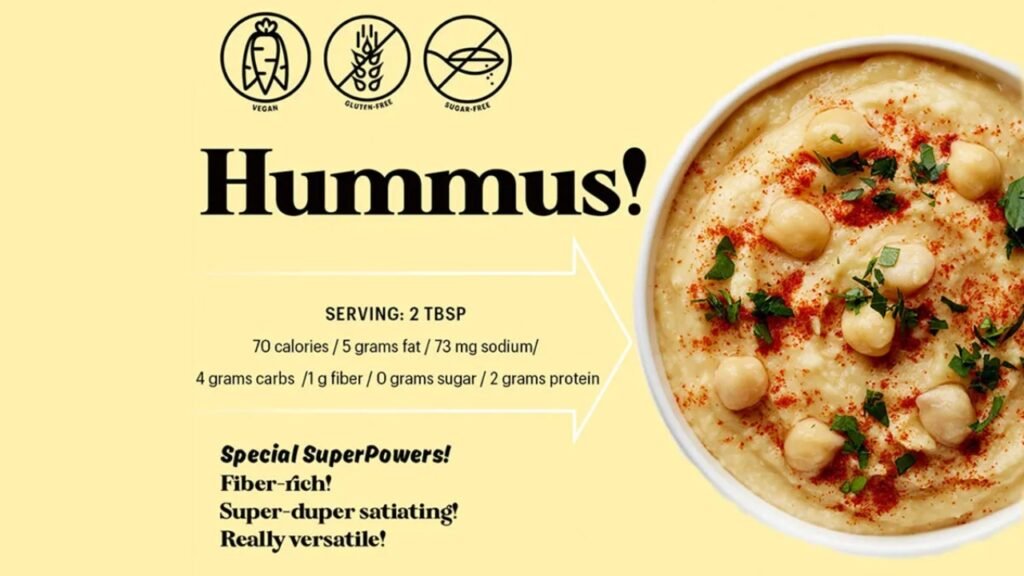
Americans are increasingly open to this change. Reddit’s r/EatCheapAndHealthy is filled with creative plant-based recipes, from chickpea curries to black bean burritos, proving that sustainable meals can be both tasty and budget-friendly. For those new to plant-based eating, starting with familiar dishes—like a hearty lentil soup or a quinoa salad—can ease the transition while keeping meals satisfying.
Choosing Local and Seasonal Ingredients
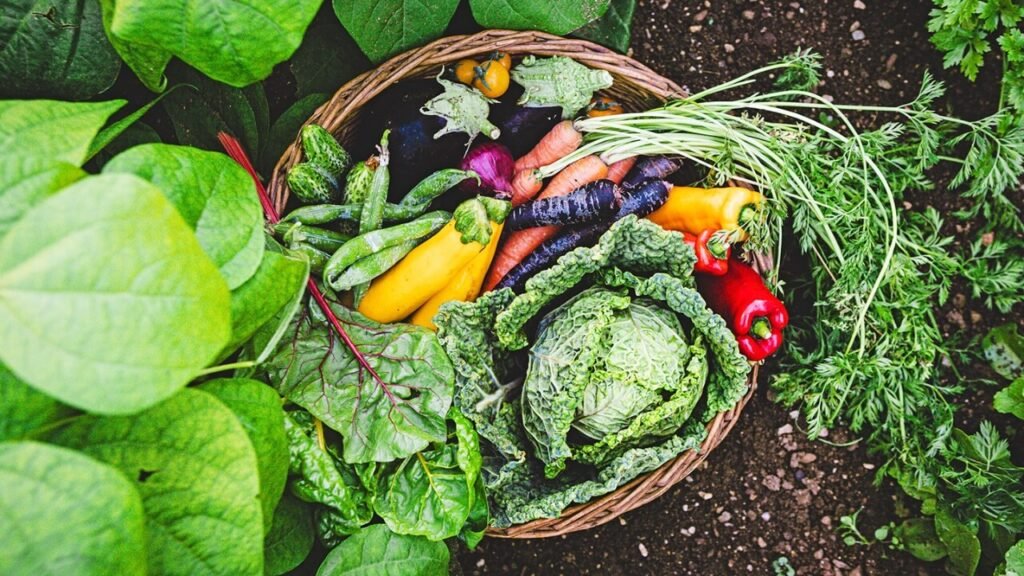
Another pillar of sustainable eating is sourcing food locally and seasonally. Local produce reduces the carbon emissions tied to long-distance transportation, while seasonal items are often fresher and cheaper. Farmers’ markets, community-supported agriculture (CSA) programs, and even supermarket seasonal bins are great places to start. For Americans, this might mean savoring summer tomatoes from a nearby farm or winter root vegetables grown in-state.
However, access to local food can vary, especially in urban or food-desert areas. Reddit users in r/sustainableliving often suggest practical workarounds, like joining a co-op or growing herbs at home. These small steps not only support local economies but also deepen your connection to the food on your plate, making meals feel more meaningful.
Reducing Food Waste
Food waste is a major hurdle in sustainable eating, but it’s also an area where individuals can make a big impact. Planning meals, storing food properly, and repurposing leftovers are simple yet effective strategies. For example, vegetable scraps can be turned into broth, and overripe fruit can become smoothies or jams. Apps like Too Good To Go, popular among Redditors in r/Frugal, connect users with discounted surplus food from local stores, further reducing waste.
Moreover, composting is a game-changer. By turning food scraps into nutrient-rich soil, you keep waste out of landfills and support sustainable agriculture. Many American cities now offer curbside composting, making it easier than ever to close the loop on food waste.
Addressing Challenges in Sustainable Eating
Adopting a sustainable diet isn’t always straightforward, especially in a country where convenience foods and fast food are deeply ingrained. Time constraints, budget concerns, and limited access to fresh produce can pose barriers. However, these challenges are surmountable with a bit of creativity and planning.
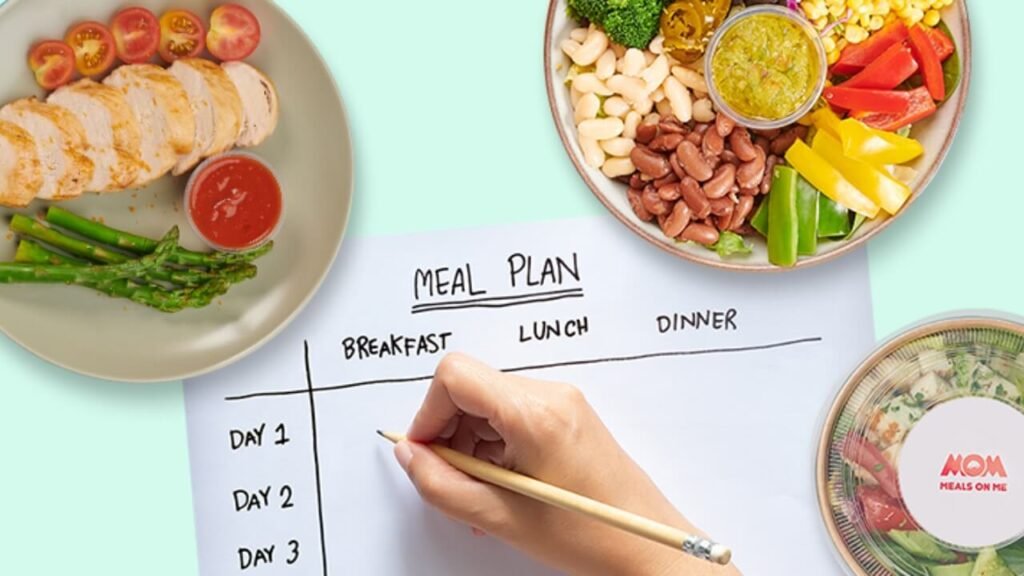
For busy Americans, meal prepping is a lifesaver. Spending an hour on Sunday to chop veggies or cook grains can streamline weeknight dinners. Budget-conscious eaters can lean on affordable staples like rice, beans, and frozen vegetables, which are both sustainable and versatile. Reddit’s r/budgetfood is a treasure trove of tips, with users sharing hacks like buying in bulk or foraging for deals at discount grocers.
Access to fresh, local food can be trickier in some regions. If farmers’ markets aren’t an option, consider frozen or canned produce, which retains nutrients and reduces waste. Online communities like r/sustainability often emphasize that sustainability is about progress, not perfection—every small choice counts.
Sustainable Diets in American Culture
In the U.S., food culture is diverse and dynamic, but it’s also heavily influenced by convenience and abundance. Fast food chains and processed snacks dominate, making sustainable eating feel like a countercultural act. Yet, this is precisely why it’s so powerful. By choosing a sustainable diet, Americans can push back against wasteful systems and advocate for a healthier, greener future.
Social media reflects this shift. On Reddit’s r/ZeroWaste, users celebrate milestones like cutting out single-use plastics or mastering plant-based cooking. These communities show that sustainable eating is gaining traction, especially among younger Americans who prioritize climate action. Restaurants and brands are also catching on, with plant-based options and eco-friendly packaging becoming more common in cities like Austin or Seattle.
Making Sustainable Eating a Lifestyle
To make sustainable eating a lasting habit, start with small, realistic changes. Commit to one plant-based meal a week, visit a local market, or try a new recipe using pantry staples. Over time, these choices become second nature. Resources like cookbooks (The Green Kitchen is a Reddit favorite) or apps like HappyCow can inspire new ideas and connect you with sustainable dining options.
Engaging with community is also key. Join a CSA, follow eco-conscious food blogs, or swap tips on Reddit’s r/EatCheapAndHealthy. Sharing successes and challenges with others fosters accountability and makes the journey more enjoyable. Finally, be kind to yourself. Sustainable eating is a marathon, not a sprint, and every step forward counts.
Concluding Thoughts
A sustainable diet is more than a trend—it’s a meaningful way for Americans to nourish their bodies, save money, and protect the planet. By embracing plant-based foods, local ingredients, and waste-reducing habits, you can create meals that are as good for the Earth as they are for you. While challenges like time, access, and cultural norms exist, the tools to overcome them—community wisdom, creative recipes, and small daily choices—are within reach. As you embark on this journey, remember that every bite is a chance to make a difference. So, grab a reusable tote, head to the market, and start eating green today. Your health, wallet, and the planet will thank you.
kJ to Calories: Unlock the Secret to Decoding Nutrition Labels!