





















































































































































































































































































































































































































Are Chicken Wings Healthy? A Comprehensive Look for Americans


Chicken wings have long been a beloved staple at American gatherings—from Super Bowl parties to casual weekend snacks. But amid all the indulgence, a common question arises: Are chicken wings healthy? For many Americans striving to balance enjoyment with nutritional wellness, understanding the health implications of this popular food is crucial. This blog will explore the nutritional value, preparation methods, benefits, and concerns surrounding chicken wings, providing a thorough, evidence-based perspective tailored to the American audience.
Understanding Chicken Wings: Nutritional Basics and Benefits
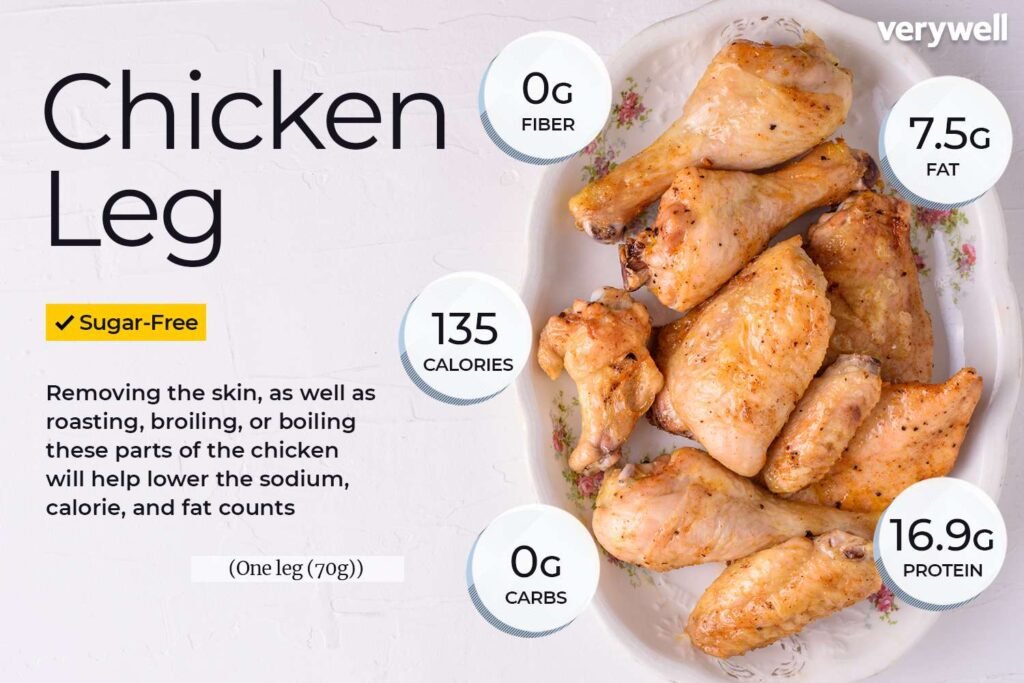
Chicken wings are often enjoyed for their flavor and convenience, but beyond taste, they offer several nutritional components that can contribute to a healthy diet. Primarily, chicken wings are a good source of lean protein, essential for muscle repair, immune function, and overall bodily health. Each wing packs approximately 6 grams of protein, making them a substantial player in meeting daily protein requirements.
Moreover, chicken wings contain important vitamins such as A, B6, and B12, alongside vital minerals like iron, calcium, phosphorus, and selenium. These elements support numerous bodily functions including energy production, bone health, and immune defense. Notably, wings also provide collagen in the skin and connective tissues, which benefits joint health and skin elasticity.
While chicken itself is generally considered a leaner meat compared to red meat, the skin on wings adds fat—both saturated and unsaturated. However, some of the fats found in wings are monounsaturated and polyunsaturated, contributing positively to heart health when consumed in moderation. Thus, the nutritional composition of chicken wings suggests that they can be a healthy food when integrated thoughtfully into the diet.
How Preparation Methods Impact Healthiness
The healthiness of chicken wings largely depends on how they are prepared. Traditional methods such as deep-frying add significant amounts of unhealthy fats and calories, often masked by rich sauces like buffalo sauce, which may contain butter and high amounts of sodium. These additions can transform a moderate protein snack into a calorie-dense, high-fat meal.
In contrast, healthier cooking techniques such as grilling, oven roasting, or air frying significantly reduce fat content. Air frying, in particular, has gained popularity in recent years as a means to enjoy the crispiness of fried wings without the excess oil. Registered dietitian Ariana Cucuzza notes that air frying can reduce calorie intake from wings by 70 to 80 percent compared to traditional frying methods.
Another factor is skin removal. While removing the skin lowers fat content, it also reduces flavor and some beneficial nutrients like collagen. For those prioritizing health without sacrificing taste, dry rubs made from herbs and spices offer a flavorful alternative to high-sodium sauces, helping keep carbs and fats in check.
Common Misconceptions and Clarifications
Many people believe chicken wings are inherently unhealthy or solely indulgent. This perspective is often based on the typical restaurant or bar preparation involving deep frying and heavy sauces. However, scientific evidence and nutrition research suggest that chicken wings themselves, without excessive additives, can fit within a balanced diet.
Chicken wings are nearly carbohydrate-free, making them suitable for low-carb and ketogenic diets. Additionally, their vitamin and mineral profile can support various health benefits such as reducing symptoms associated with arthritis, diabetes, and gout, and may boost immunity and skin health.
On the other hand, moderation remains key. Overconsumption, especially of wings prepared with high-fat sauces and served alongside calorie-rich dips, can lead to excessive calorie and sodium intake. According to recent studies, an American consumer averages about 300 chicken wings per year; however, mindful consumption is essential for maintaining overall health.
Expert Insight on Chicken Wings and Health
Nutrition expert Dr. Emily White, a registered dietitian and nutrition scientist, emphasizes the importance of preparation and moderation. She says, “Chicken wings can absolutely be part of a healthy diet when cooked with minimal added fats and paired with nutrient-dense sides. The protein and micronutrients in wings support muscle and immune health, but overdoing it with unhealthy cooking methods can negate these benefits.” This underscores the role of cooking methods and portion awareness in making wings a healthful choice.
Tips for Americans to Enjoy Healthier Chicken Wings
For those wanting to indulge in chicken wings without compromising health, adopting a few practical strategies can make a significant difference. First, opting for baked or air-fried wings reduces added fat and calories. Choosing dry rubs or lighter sauces avoids excess sodium and unhealthy fats commonly found in heavy dressings.
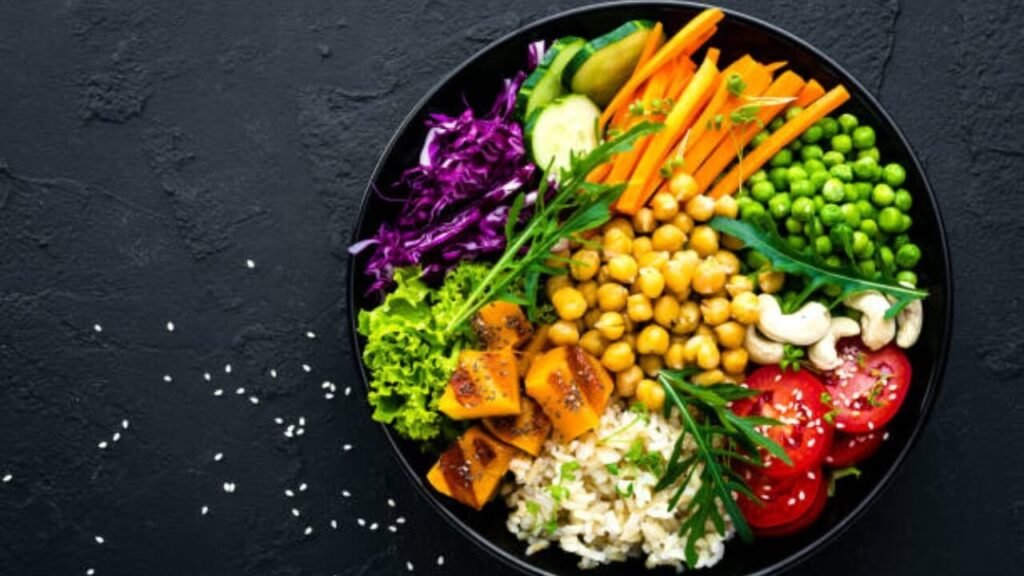
Incorporating wings into meals with plenty of vegetables and whole grains balances the meal with fiber and additional nutrients. Limiting portion sizes to avoid overindulgence and being conscious of the frequency of consumption also helps maintain nutritional balance.
Conclusion: The Health Verdict on Chicken Wings
So, are chicken wings healthy? The answer is nuanced. Naturally, chicken wings are rich in protein, vitamins, and minerals, which support a healthy diet for Americans. However, the health impact heavily depends on preparation and consumption habits. Wings that are grilled, baked, or air-fried with minimal sauces and skin consumed in moderation can be a nutritious and satisfying part of your meals.
By being mindful of cooking methods and pairing wings with wholesome sides, Americans can continue enjoying their favorite finger food without guilt. Ultimately, chicken wings can be both a delicious treat and a healthful component of a balanced diet when approached with knowledge and moderation in mind.
Whether watching the game or gathering with friends, savor your chicken wings wisely for both taste and health.
you may also like
The Barcroft Center: Finding a Community Heart with a Rich History and Strong Life