













































































































































































































































































































































































































How trauma systems therapy changes lives of troubled children


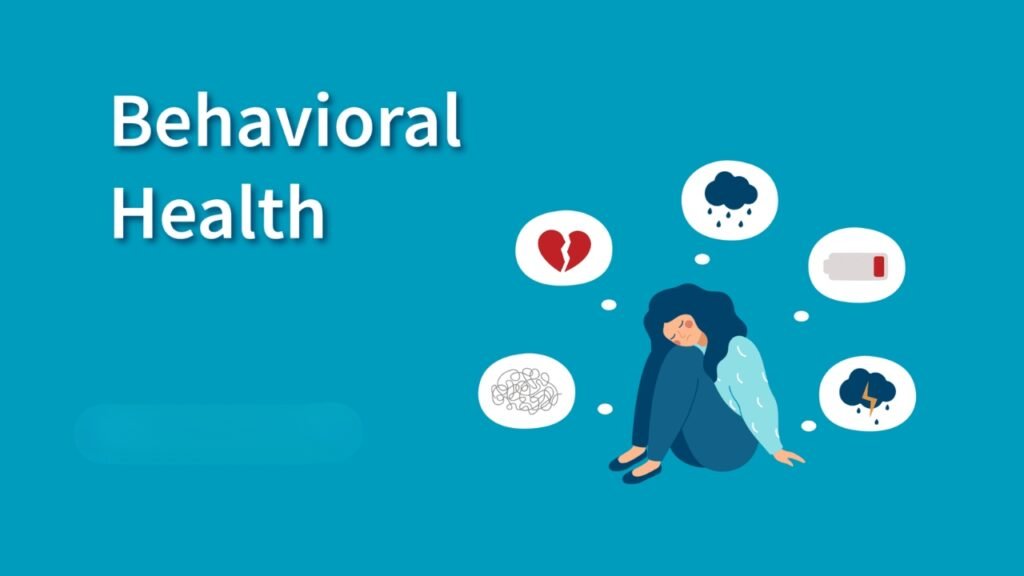
The issue of mental health problems in children and adolescents in the current America is unmatched. Although trauma-informed therapies have become the foundation of any treatment consideration, most of them fail to cover the magnitude of trauma on individuals particularly when the external environment of a child is as turbulent as the internal one. It is here that Trauma Systems Therapy (TST) has surfaced as a trendsetting concept. Trauma Systems Therapy is not only concerned with treating the individual; it focuses on the whole system in which the individual is involved in. This therapy does not only address the emotional stability but also centers on stability in the environment by incorporating and including all aspects that contribute to this, even the school and caregivers that help in the improvement of the healing process, as well as the community dynamics.
What does Trauma Systems Therapy mean?
Trauma Systems Therapy is a program designed by Dr. Glenn Saxe and his colleagues and initially produced Boston University School of Medicine. TST exists within a two-eyed system in that unlike the more traditional therapies that focus on the inner emotional world of the child, TST has a second field of vision. It takes into consideration two highly important issues which are the capacity of a child to manage his or her emotions and the consistency of environments where he or she resides. When one or both of them is undermined, conventional treatment fails to suffice.
Dr. Saxe expounded on the fact that Trauma Systems Therapy is a modality that is specifically aimed at not only treating the symptoms of traumatic stress in children but also at treating the social environment that has caused them their distressing continual status. This is the essence of this model of how we look at both treating the symptoms and the system.
Why Traditional Therapy is not Sufficient
Most of the children affected by trauma even go through treatments that involve mainly talking about their ordeals. Although beneficial, this practice may not necessarily accommodate continuous triggers at home or community level including; domestic abuse, poverty and bullying at school. These extraneous stressors may traumatize the child implying that there may be lasting healing. Trauma Systems Therapy understands this divide and takes proactive efforts in bridging the divide.
Besides, children are not specialists in explaining the depth of their trauma. They act out, withdraw, are extremely emotional- symptoms which are commonly recognized as behavior problems, and not what they are, psychological wounds. By re-conceptualizing them as adaptations to survive, TST assists in caregivers and educators reacting with compassion instead of punishments since these behaviors might be interpreted as disorders.
linkey-Components of Trauma Systems Therapy
1. Emotion Regulation Skills
TST shows the mean concern in making the child gain back on the control over his or her emotional response. This is in the form of therapeutic interventions which are aimed at creating resilience and developing coping strategies and working through the trauma within a stress-free setting. Regulation of emotions is essential, particularly among the children who respond to stress through aggressiveness, dissociation or panic.
2. Environmental Stability
TST underlines that a child is not able to recover in an unstable or insecure space. Consequently, the intervention of the system is part of the treatment, or, working directly with parents, schools, child protect authorities, and community organizations to make the child living conditions comfortable. This could include development of safety plans, provision of caregiver trainings or liaising with schools to make revision of disciplinary policies.
3. Multidisciplinary Collaboration
Since trauma is affecting all spheres of the life of a child, TST advocates the treatment plan consisting of teams. Case managers, teachers, caregivers and therapists have a role. Such multidisciplinary teams hold meetings frequently to modify treatment approaches and make sure that all adults taking part in the life of the child agree on recovery objectives.
The Effects of the Trauma Systems Therapy on the American Families
Trauma Systems Therapy has been effective both in urban and rural population across the United States. TST has been an active participant in the process of lowering the rate of hospital readmission among traumatized children and adolescents, school suspension, and placement in residential facilities in the city with a high crime rate and economic and social deprivation. In smaller and less-populated environments, such as the suburbs and rural area, where trauma might not be as apparent but just as damaging, TST would give a format on how to dig deep to display and heal emotional pain often masked by academic performance or social alienation.
A good, illustrative case study is a 10-year-old foster child whose behavior grew violent to the degree that he was expelled out of several schools. In the traditional counseling, the activities were behavior-oriented where the spokesperson tried to remodel the behavior without gutting the origin of his trauma. Upon admission to Trauma Systems Therapy program, the child started to show impressive improvement. His foster parents were provided with some assistance on how to build a routine-based home and his school was advised to change the way it reacts to his triggers. After a while, he could express himself without violence, learn to trust and reconnect with learning.
Trauma Systems Therapy in Schools
Schools constitute a major point of contact when it comes to recognizing and assisting the child who is affected by trauma. Nevertheless, in the absence of the trauma-informed system, educators can interpret the behavioral symptoms as defiance or laziness. The Trauma Systems Therapy has provided an answer to this since it aids schools to introduce systemic modifications, including:
- Trauma barnacle classroom milieu
- Emotional regulation strategy education of staff
- Social worker and mental health professional cross-disciplinary meetings
As the results have shown, these integrations also yield positive academic results, reduced suspension rates, healthier relationships with peers, and therefore TST is not only a clinical model but a cultural change in terms of how we treat vulnerable students.
A comparison between TST and Other Trauma Models
Although models such as Trauma-Focused Cognitive Behavioral Therapy (TF-CBT), and eye Movement Desensitization and Reprocessing (EMDR) are effective, most of them tend to presume that the environment is stable so that therapeutic interventions can thrive. Defining its place, TST differs as it acknowledges that therapy cannot be regarded in a vacuum. It does not only stay in the walls of the office but takes the real world contexts, which affect the way a child acts and their condition.
Furthermore, the fact that TST has a systems-level focus makes TST specially suited to child welfare, juvenile justice, and school systems where it is important to coordinate the work of several agencies. It is an active rather than a contemplative therapy.
The Caregivers Role in the Trauma Systems Therapy
Caregivers usually play a huge role in the process of trauma recovery in a child without recognition. They are given center stage by TST in the process of treatment. The education and training focuses on how the caregiver, who could be the parent, foster parent or relative, alternate between familiar practices to establish predictability, safety, and relationship nurturing behaviors in everyday occurrences.
This emphasis can make the caregiver stronger instead of making them stand alone giving them credit that they exist and we give them the means instead of the criticism. Such a working strategy increases trust, minimises stress and can lead to long-term healing of both the child and the caregiver over a long run.
Why TST now more than ever before
With the increased focus on mental health in America, it is becoming clear that the therapeutic models available do not reflect the complexity of the world as it applies to childhood trauma. The COVID 19, social unrest, and increasing economic instability have contributed to increasing the strain on vulnerable families only! A symptom-oriented narrow view is no longer adequate in this climate.
Trauma Systems Therapy comes to the rescue to treat children in the state where they are not only emotionally but socially and environmentally as well. It represents a more significant realization that the process of healing occurs through connectedness, structure, and long-lasting support on all segments of a child life.
Summary: Retelling the History of Trauma
Trauma Systems Therapy presents a positive story of healing in a world where too many children live all too often within a traumatic existence. It is not only helpful in making children cope, it is applicable in restoring the lives of children. TST helps them recover by fulfilling not only the external need to heal, but also the inner one, to recover in safety.
To families, educators and mental health professionals, accepting this model signifies a shift in treatment modeling to treating transformation. Not only does it represent a shift that is clinically sound, it is morally necessary. In an ongoing quest to find new approaches to nurture our most needy youth, Trauma Systems Therapy proves to be a light of innovation, empathy and true reform.