











































































































































































































































































































































































































Iron Gluconate vs Iron Sulfate: A Comprehensive Guide to Understanding Their Differences and Benefits


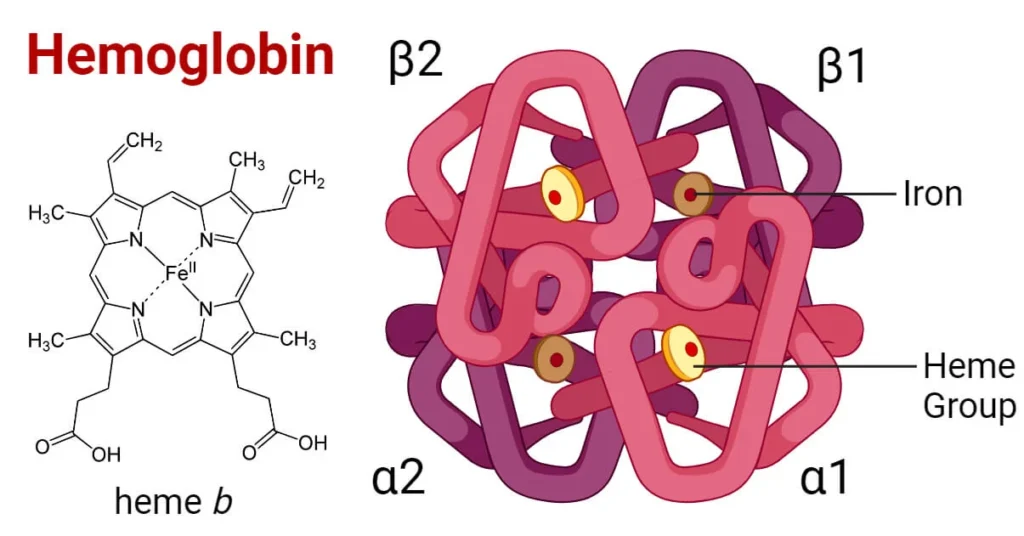
Iron is an essential mineral that plays a crucial role in the body, particularly in the production of hemoglobin, a protein responsible for carrying oxygen in the blood. When the body lacks sufficient iron, it can lead to iron-deficiency anemia, a condition characterized by fatigue, weakness, and other symptoms. To combat this, iron supplements are commonly prescribed. Among the most popular options are iron gluconate and iron sulfate, both of which serve as effective solutions for replenishing iron levels. However, the question often arises: iron gluconate vs iron sulfate, which one is better for your health? In this blog, we will explore the differences, benefits, and potential side effects of these two commonly used iron supplements to help you make an informed choice.
What is Iron Gluconate?
Iron gluconate is a form of iron that is commonly used in supplements to treat or prevent iron deficiency. It is a compound made by binding iron with gluconic acid, which is derived from glucose. This form of iron is considered gentler on the stomach compared to some other forms, making it an attractive option for individuals who may experience digestive issues when taking iron supplements.
Key Benefits of Iron Gluconate:
- Milder on the Stomach: One of the most significant advantages of iron gluconate is its relatively low incidence of gastrointestinal side effects, such as constipation and nausea. This makes it a better option for those with sensitive stomachs.
- Good Bioavailability: Iron gluconate is well-absorbed by the body, making it effective in raising iron levels and treating anemia.
- Gentler for Long-Term Use: For individuals needing long-term iron supplementation, iron gluconate is often recommended due to its lesser impact on the digestive system.
While iron gluconate offers these benefits, it may not be as potent as some other forms of iron when it comes to raising iron levels rapidly.
What is Iron Sulfate?
Iron sulfate, also known as ferrous sulfate, is one of the most commonly used forms of iron supplementation. It is made by combining iron with sulfuric acid and is widely available in pharmacies and health stores. Iron sulfate is typically more concentrated than iron gluconate, meaning that smaller doses may be needed to meet daily iron requirements.
Key Benefits of Iron Sulfate:
- Higher Iron Content: Iron sulfate generally contains more elemental iron per dose, making it a potent choice for individuals with significant iron deficiencies.
- Effective for Rapid Replenishment: Due to its higher iron content, iron sulfate is often used for individuals who need a quick boost in their iron levels, such as those with severe anemia.
- Widely Available and Cost-Effective: Iron sulfate is affordable and widely available, making it accessible to many people.
However, iron sulfate tends to cause more side effects, especially gastrointestinal discomfort. This is one of the reasons why it may not be suitable for everyone, particularly those with sensitive stomachs.
Iron Gluconate vs Iron Sulfate: A Comparison
When comparing iron gluconate and iron sulfate, it’s important to understand that both have their strengths and weaknesses, and their effectiveness depends largely on individual needs and preferences.
Bioavailability
- Iron Gluconate: Iron gluconate is often better tolerated and may be a preferable option for those who have difficulty absorbing iron or who experience gastrointestinal issues with other forms of iron. Its bioavailability is generally good, though it may not be as fast-acting as iron sulfate.
- Iron Sulfate: While iron sulfate has a higher elemental iron content, it may cause more gastrointestinal discomfort due to its potent nature. Its bioavailability is still high, but individuals may need to adjust their dosages to minimize side effects.
Side Effects
- Iron Gluconate: The main advantage of iron gluconate is its ability to minimize common side effects, including constipation, nausea, and stomach upset. This makes it ideal for long-term supplementation or for individuals who are sensitive to iron.
- Iron Sulfate: On the other hand, iron sulfate is notorious for causing gastrointestinal issues. Constipation, nausea, and stomach cramps are common side effects. However, these can often be managed by adjusting the dosage or taking the supplement with food.
Cost and Availability
- Iron Gluconate: Iron gluconate may be slightly more expensive than iron sulfate, but it is still relatively affordable and widely available.
- Iron Sulfate: Iron sulfate is typically more cost-effective, making it a popular choice for individuals who need higher doses of iron. It’s also available over-the-counter in many places.
Dosage and Potency
- Iron Gluconate: Because it contains less elemental iron per dose, individuals may need to take a higher amount of iron gluconate to meet their daily iron needs. However, this makes it a gentler option for those with milder deficiencies.
- Iron Sulfate: With its higher elemental iron content, iron sulfate is often taken in smaller doses, making it a more potent option for individuals with severe iron deficiency. However, the higher concentration can increase the risk of side effects.
Expert Opinion: A Closer Look at the Choice
Dr. Elizabeth Williams, a specialist in hematology and nutrition, offers this insight:
“When it comes to choosing between iron gluconate and iron sulfate, it’s important to consider the individual’s specific needs. For most patients with mild iron deficiency, iron gluconate is an excellent option, especially for those who are concerned about side effects. However, for those with more severe iron deficiencies, iron sulfate may be necessary, provided the patient can tolerate the gastrointestinal discomfort it often causes.”
This perspective highlights the importance of consulting with a healthcare provider to determine the best type of iron supplement based on individual health needs and tolerance.
How to Choose Between Iron Gluconate and Iron Sulfate?
Choosing between iron gluconate and iron sulfate ultimately depends on a variety of factors, including your health status, tolerance to side effects, and the severity of your iron deficiency. Here are some guidelines to help you make an informed decision:
- Mild Iron Deficiency: If your iron levels are only mildly low, iron gluconate may be the better choice due to its gentler nature and fewer side effects.
- Severe Iron Deficiency: For individuals with significant iron deficiencies or those needing a rapid increase in iron levels, iron sulfate may be more appropriate, provided that side effects are carefully managed.
- Sensitivity to Iron: If you’ve experienced gastrointestinal discomfort with other iron supplements, iron gluconate could be a better option.
- Long-Term Use: For ongoing supplementation, iron gluconate’s milder effects on the digestive system make it a better long-term solution for most people.
Conclusion: Making the Right Choice for Your Health
In the debate of iron gluconate vs iron sulfate, both supplements have their advantages and limitations. Iron gluconate is a gentler option, ideal for those with mild iron deficiency or sensitive stomachs. Iron sulfate, while more potent and effective for rapid replenishment, may come with a higher risk of gastrointestinal side effects. The best choice for you will depend on your specific needs, the severity of your deficiency, and your ability to tolerate potential side effects.
Ultimately, it’s important to consult with your healthcare provider before starting any supplementation regimen to ensure you are choosing the right type of iron for your individual health needs. With the right approach, both iron gluconate and iron sulfate can help restore healthy iron levels and improve your overall well-being.
By exploring the differences between iron gluconate and iron sulfate, you are now equipped to make a more informed decision regarding iron supplementation. Whether you opt for the gentler option of iron gluconate or the more potent iron sulfate, both can be effective tools in managing iron deficiency when used appropriately.
you may also like
Understanding the Crackling Noise in Ear: Causes, Symptoms, and Treatments