





















































































































































































































































































































































































































Everyday Health: Simple Habits for a Better Life


In the fast-paced world we live in, prioritizing everyday health can frequently seem challenging. However, making small but constant modifications to our daily routines can notably impact our overall well-being. From managing stress levels to incorporating healthier eating habits, improving everyday health doesn’t require drastic measures—just the willingness to make smart choices. In this blog, we will explore practical ways to enhance your everyday health, including tips on diet, physical activity, mental health, and proper sleep habits.
Understanding Everyday Health: A Holistic Approach
When we talk about everyday health, we refer to a comprehensive approach to maintaining physical, mental, and emotional well-being on a daily basis. It’s not just about exercise or eating right but also about adopting habits that nurture all aspects of your life. The key to achieving this balance lies in making conscious decisions that support both your body and mind every single day.
Everyday health is an ongoing commitment that pays off in the long term. According to Dr. David Katz, a prominent preventive medicine expert, “Health is a result of the little choices we make every day, not just the big ones we make once in a while.” These small but consistent choices, such as what we eat, how we move, and how we manage stress, play a significant role in shaping our everyday health.
Diet and Nutrition: Fueling the Body for Success
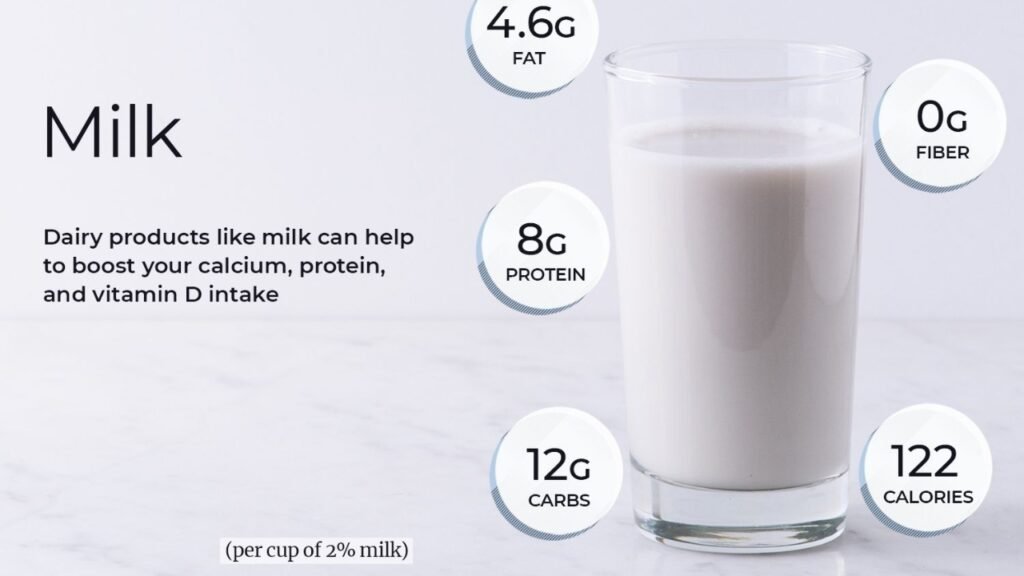
One of the most crucial aspects of everyday health is maintaining a balanced diet. The foods we eat directly affect our physical health, energy levels, and even mental clarity. A nutritious diet not only helps prevent chronic diseases but also contributes to a more vibrant, energetic lifestyle.
Eating a Balanced Diet
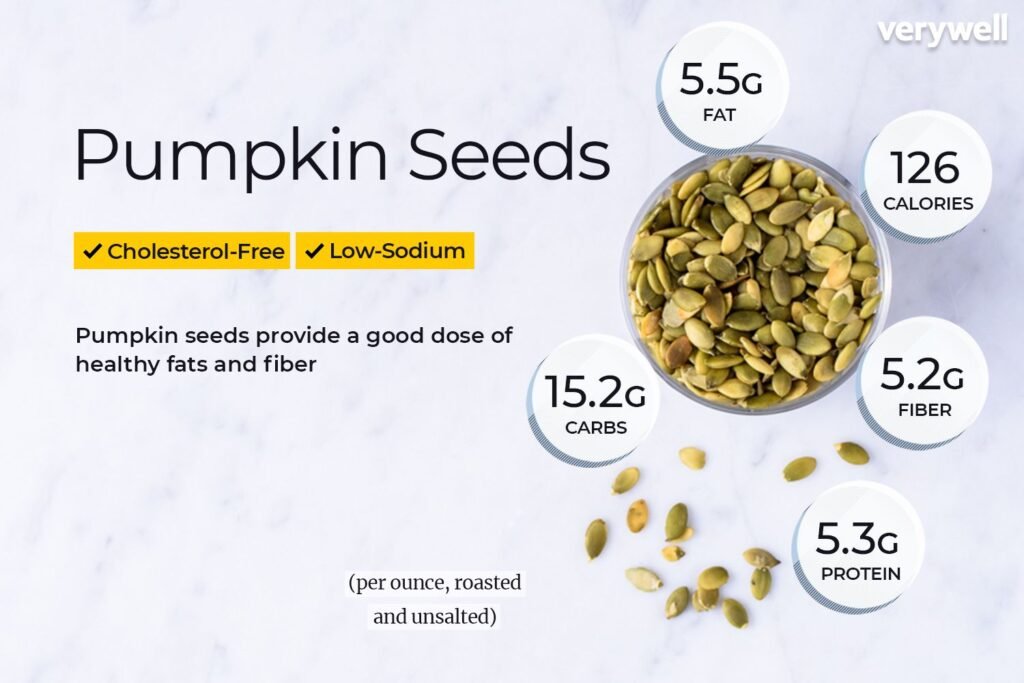
A healthy diet involves a variety of foods that provide essential nutrients for the body. A well-rounded diet should include plenty of fruits and vegetables, whole grains, lean proteins, and healthy fats. These food groups offer the necessary vitamins, minerals, and antioxidants that keep the body functioning optimally.
For example, leafy greens like spinach and kale are packed with iron, calcium, and magnesium—important for bone health and muscle function. Fruits like berries are rich in antioxidants that protect the body from oxidative stress and inflammation. Whole grains like quinoa, oats, and brown rice provide fiber, which aids in digestion and helps maintain stable blood sugar levels.
Hydration
In addition to eating a variety of nutritious foods, staying hydrated is another crucial element of everyday health. Water supports every bodily function, including digestion, temperature regulation, and joint lubrication. It’s recommended that adults drink at least 8 cups of water a day, though individual needs may vary based on activity level, climate, and other factors. To avoid dehydration, it’s essential to sip water throughout the day, especially when engaging in physical activity or in hot weather.
Physical Activity: Moving Toward Better Health
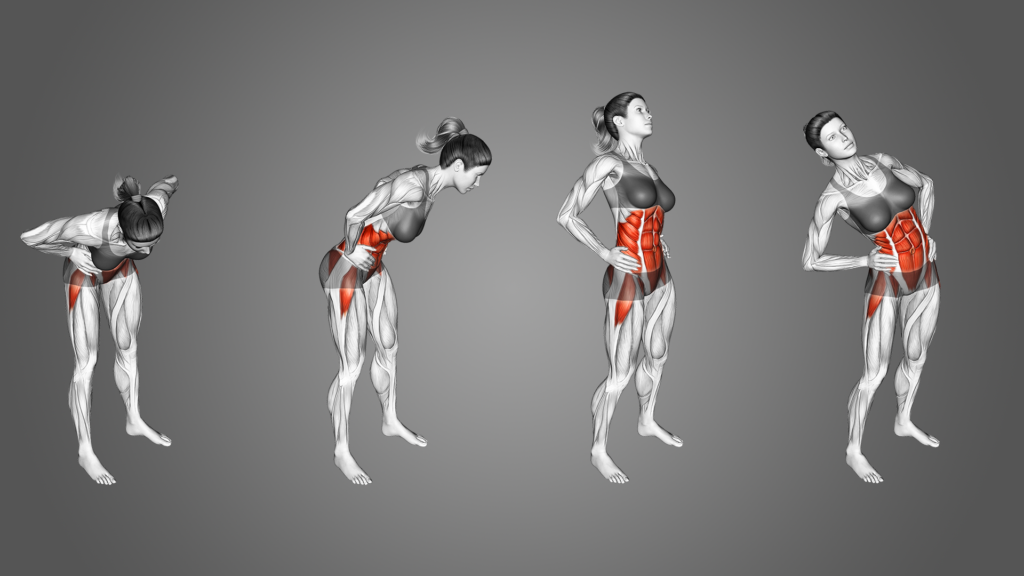
Regular physical activity is another pillar of everyday health. Exercise doesn’t have to mean intense workouts or long hours at the gym. Simple activities like walking, cycling, or yoga can provide significant health benefits when done consistently.
The Importance of Movement
The American Heart Association recommends at least 150 minutes of moderate-intensity exercise per week, which can be broken down into 30-minute sessions five days a week. Physical activity improves cardiovascular health, strengthens muscles and bones, and supports weight management. Moreover, exercise is proven to reduce the risk of chronic diseases such as diabetes, hypertension, and heart disease.
But the benefits of movement extend beyond physical health. Exercise also boosts mood, reduces stress, and promotes mental clarity. When we engage in physical activity, our bodies release endorphins, the feel-good hormones that help alleviate symptoms of anxiety and depression.
Incorporating Movement Into Daily Life
You don’t need to sign up for a marathon to experience the benefits of exercise. Small changes in your routine, such as taking the stairs instead of the elevator, walking or biking to work, or even stretching throughout the day, can all contribute to your everyday health. Finding activities you enjoy can make exercise feel like less of a chore and more of an enjoyable part of your daily routine.
Mental Health: A Vital Component of Everyday Health
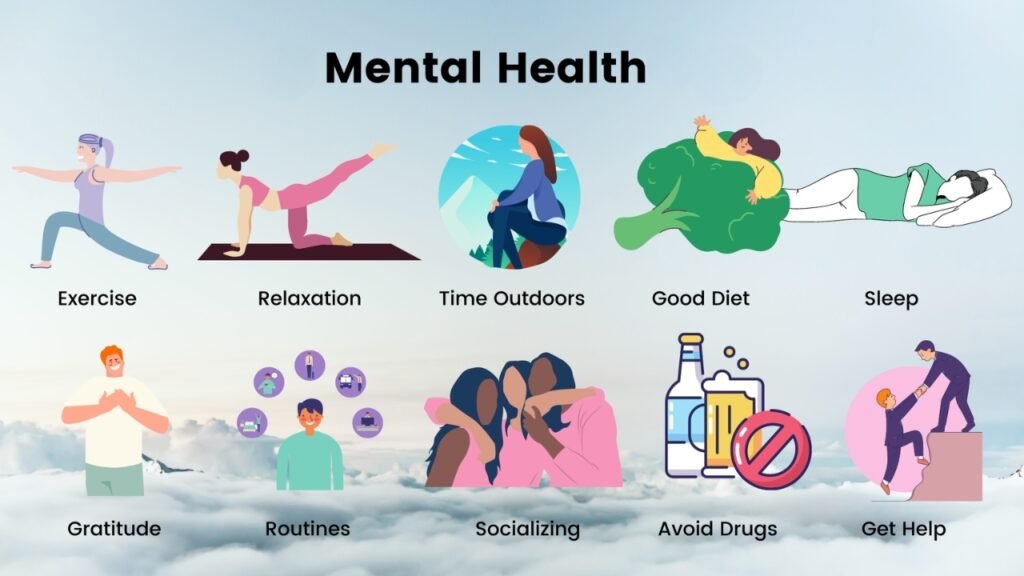
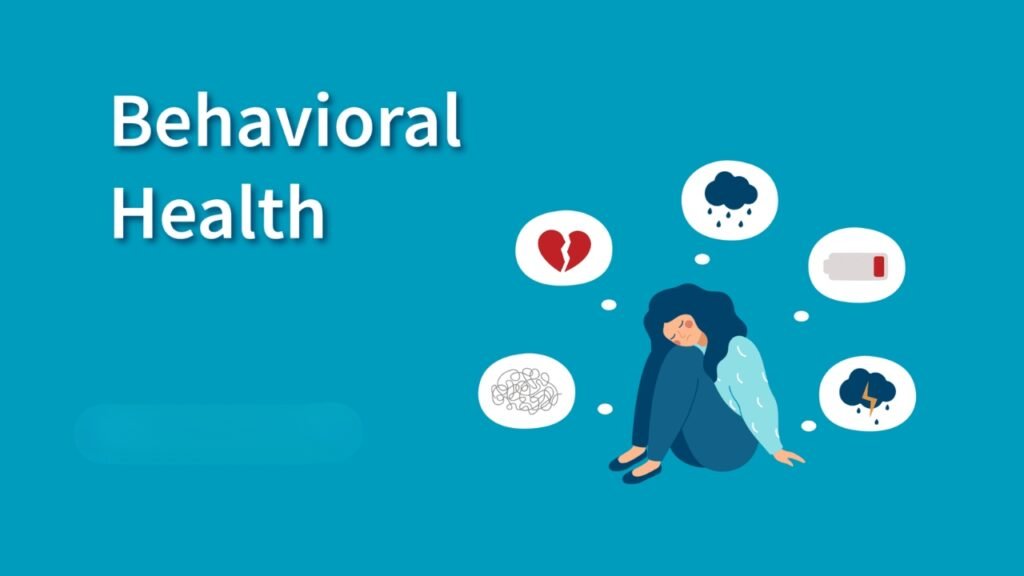
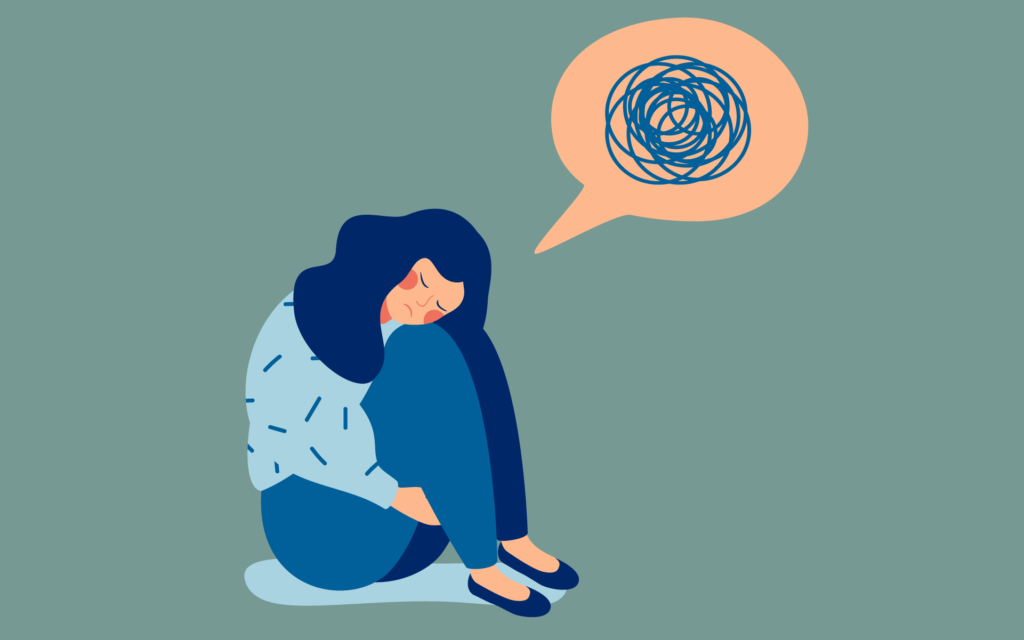
Mental health is just as important as physical health when it comes to everyday health. In today’s society, the pressures of work, school, and personal life can often lead to feelings of stress, anxiety, and burnout. It’s essential to take steps to maintain mental and emotional well-being in order to achieve a balanced and healthy lifestyle.
Stress Management
Chronic stress can have severe consequences on both mental and physical health. It can weaken the immune system, raise blood pressure, and contribute to anxiety and depression. Managing stress through mindfulness practices, such as meditation, deep breathing exercises, and yoga, is an effective way to promote mental well-being. Regular mindfulness exercises have been shown to reduce stress and improve overall happiness.
Dr. Jon Kabat-Zinn, a pioneer in the field of mindfulness, states, “You can’t stop the waves, but you can learn to surf.” This quote perfectly encapsulates the idea that while stress is inevitable, we can choose how to respond to it.
Social Connections
Another vital element of mental health is fostering meaningful relationships. Strong social connections provide emotional support, reduce feelings of isolation, and increase overall life satisfaction. Engaging in regular conversations with friends and family, joining social clubs, or participating in community events can help strengthen your social bonds.
Sleep: The Unsung Hero of Everyday Health
Many people overlook the importance of sleep when focusing on everyday health, but quality sleep is crucial for overall well-being. Sleep allows the body to rest, recover, and regenerate, and it plays a central role in maintaining cognitive function, emotional stability, and physical health.
The Power of Restful Sleep
On average, adults need 7 to 9 hours of sleep each night to function optimally. Inadequate sleep can lead to increased risk of chronic diseases, decreased immune function, and poor mental health. Moreover, sleep deprivation can affect concentration, memory, and decision-making abilities, making it harder to perform daily tasks effectively.
Good sleep hygiene is essential for improving the quality of your rest. This includes creating a consistent sleep schedule, minimizing exposure to screens before bedtime, and ensuring your bedroom is dark and quiet. By prioritizing sleep, you can significantly improve your everyday health.
Building a Sustainable Everyday Health Routine
Achieving optimal everyday health doesn’t require major changes overnight, but rather a long-term commitment to making healthier choices. Start by making small adjustments to your daily routine and gradually build upon them. Whether it’s improving your diet, increasing physical activity, managing stress, or getting better sleep, every positive change contributes to your overall well-being.
Consistency Over Perfection
While it’s essential to strive for balance, perfection is not the goal. It’s more about being consistent with your habits over time. Even if you occasionally slip up, don’t get discouraged. The most important part of maintaining everyday health is resilience—getting back on track after setbacks and continuing to prioritize your well-being.
Conclusion: A Healthier Future Starts Today
In conclusion, everyday health is a multifaceted approach that includes eating a balanced diet, staying physically active, prioritizing mental health, and ensuring adequate sleep. By making small, sustainable changes in these areas, you can improve your physical and mental well-being, paving the way for a healthier and more fulfilling life.
The journey to optimal health is not about perfection, but about creating habits that work for you and committing to them each day. With time, these small steps can result in significant improvements in your quality of life, ensuring that you feel your best every day.
The power to improve your health lies within your hands—start today, and reap the benefits for years to come.
This blog provides a comprehensive guide to everyday health, offering practical advice and expert insights. It emphasizes that small, consistent changes can have a significant impact on overall well-being. By focusing on diet, exercise, mental health, and sleep, readers can make informed decisions that will benefit their health in the long run.
You may also read
Weight Loss Calculator Calories: A Game-Changer for Weight Management