
























































































































































































































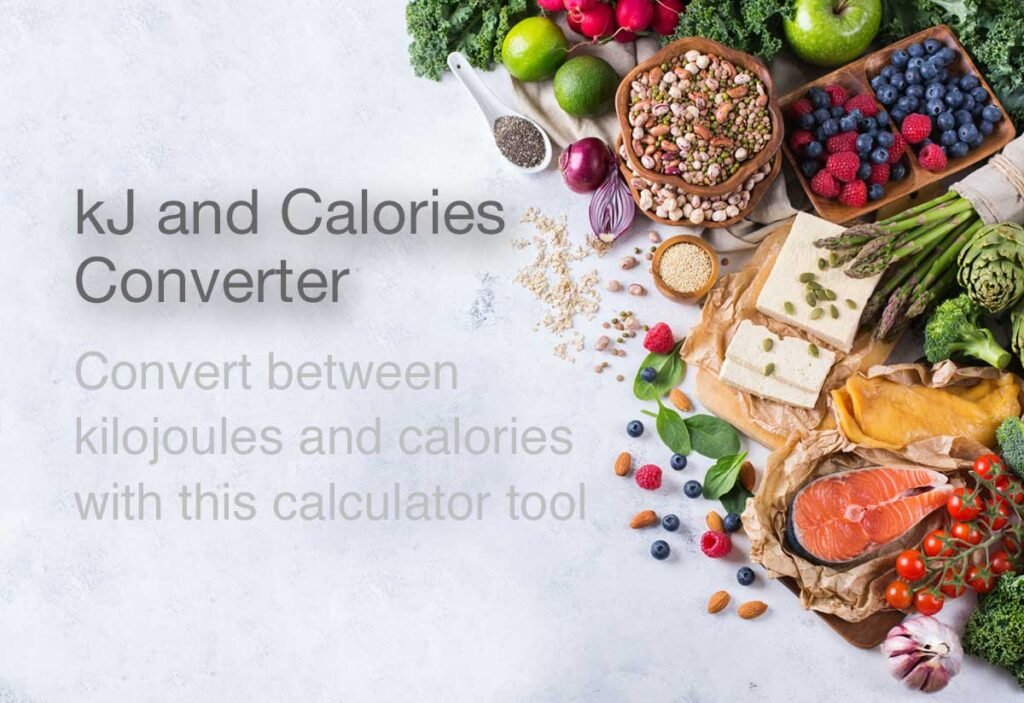















































































































































































Weight Loss Calculator Calories: A Game-Changer for Weight Management


Losing weight can feel like an overwhelming task, with countless diets, fitness plans, and tips bombarding us from all directions. However, one of the most effective ways to track your weight loss progress and ensure you’re on the right path is by understanding the concept of a weight loss calculator and its relation to calories. A weight loss calculator calories can help you calculate your daily caloric needs, adjust your intake, and give you clear insights into how many calories you should consume to achieve your weight loss goals. This tool is an essential asset for anyone who’s serious about shedding pounds effectively, without falling for fad diets or shortcuts.
In this blog, we will delve deep into the role of a weight loss calculator and explain how it can help you stay on track with your weight loss journey. We will also provide expert insights into the science behind calorie consumption and why it’s crucial to understand your personal caloric needs. By the end of this post, you’ll have a comprehensive understanding of how to use a weight loss calculator effectively and how to integrate this tool into your daily routine to reach your goals.
What Is a Weight Loss Calculator and How Does It Work?
Before diving into the specifics of weight loss and calories, it’s important to first understand what a weight loss calculator is. A weight loss calculator is an online tool designed to help you estimate how many calories your body needs to consume in a day in order to lose weight. It uses key data such as your age, gender, activity level, and current weight to determine your Basal Metabolic Rate (BMR) and Total Daily Energy Expenditure (TDEE).
BMR vs. TDEE: Key Concepts in Weight Loss
To fully grasp how a weight loss calculator works, it’s important to understand the two key metrics it uses: BMR and TDEE.
- Basal Metabolic Rate (BMR) is the number of calories your body needs to maintain basic functions like breathing, digestion, and circulation when you are at rest.
- Total Daily Energy Expenditure (TDEE) takes into account your BMR and adds in calories burned through physical activity, work, exercise, and other daily activities.
The weight loss calculator then subtracts a certain number of calories from your TDEE to create a calorie deficit, which is essential for weight loss. Typically, a calorie deficit of about 500 calories per day results in a loss of approximately one pound of body weight per week.
How Does Caloric Intake Affect Weight Loss?
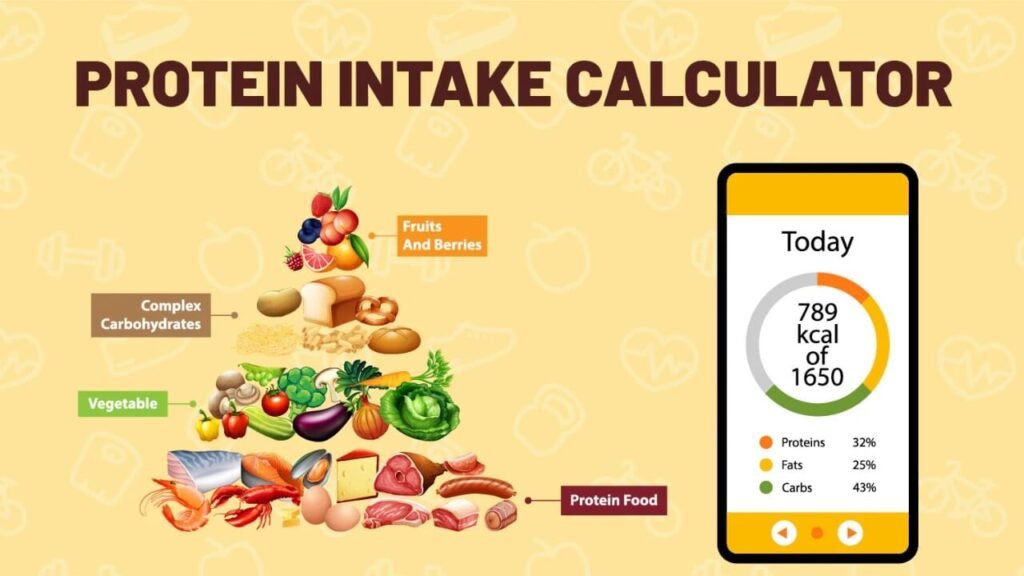
In the context of weight loss, calories are a fundamental concept. Simply put, to lose weight, you need to consume fewer calories than you burn – this is called a calorie deficit. However, it’s important to note that not all calories are created equal. The quality of the calories you consume matters just as much as the quantity.
Expert nutritionist Dr. John Berardi explains,
“The goal isn’t just to reduce calories but to make sure you’re still consuming a balanced diet that supports your metabolism, energy levels, and overall health.“
A weight loss calculator calories helps you stay within a safe calorie range that is sustainable, ensuring you don’t under-eat or deprive your body of essential nutrients.
How to Use a Weight Loss Calculator for Effective Weight Loss
Now that we understand how a weight loss calculator works, it’s time to look at how you can use it to achieve your weight loss goals. Using a weight loss calculator is not a one-time activity. It’s a continuous process that requires monitoring and adjusting your caloric intake based on your changing body and lifestyle.
Step 1: Input Your Information
To start, you’ll need to input basic information such as:
- Age
- Gender
- Height and weight
- Activity level (Sedentary, Lightly Active, Moderately Active, Very Active)
Each of these factors plays a role in determining how many calories your body burns in a day.
Step 2: Calculate Your Caloric Needs
Once you’ve entered your information, the weight loss calculator will provide you with an estimate of your TDEE, which is the number of calories your body requires to maintain its current weight. The calculator will also show you the number of calories you need to consume to maintain a calorie deficit, which is essential for weight loss.
Step 3: Adjust for Your Goal
If you aim to lose weight, you’ll need to create a calorie deficit. Most calculators will allow you to adjust your goal—whether it’s moderate weight loss or aggressive fat loss. Based on this goal, the calculator will suggest a daily calorie intake that will help you achieve your desired weight loss over time.
Step 4: Monitor Your Progress
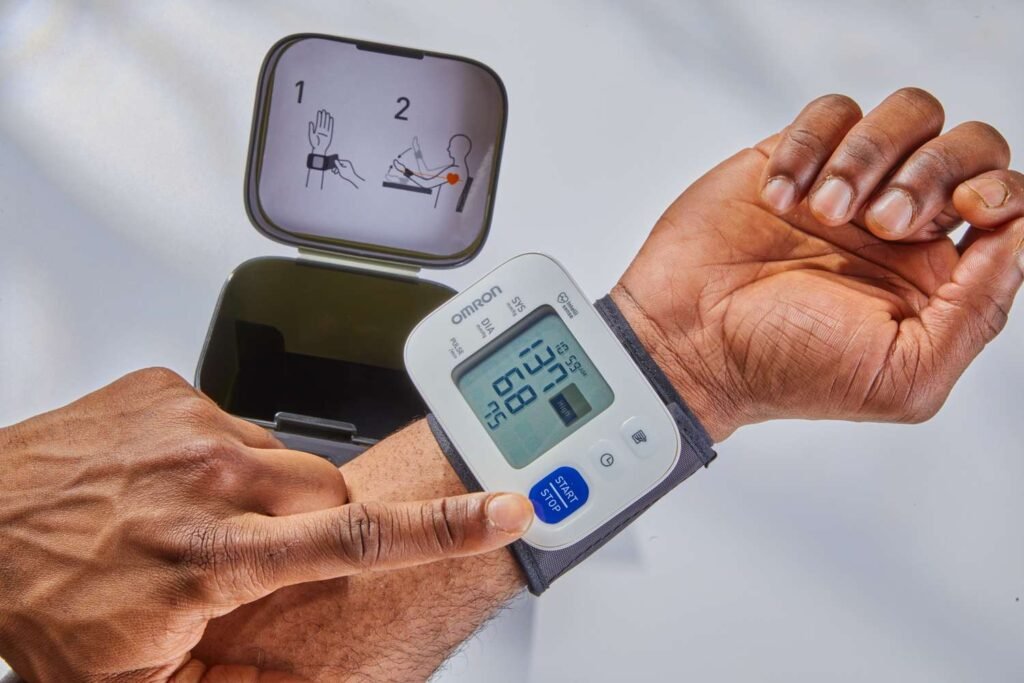
After setting your daily caloric goal, you must track your food intake, exercise routines, and overall progress. You can input your meals into a food diary or use apps to track your calories. If you aren’t losing weight as expected, it’s important to reassess your calorie intake, as your needs may change based on how much weight you’ve lost.
The Importance of Accurate Caloric Tracking
While a weight loss calculator can give you an estimate, accuracy is crucial for success. Many people underestimate how many calories they consume daily, which can sabotage their weight loss efforts. Additionally, the type of foods you eat plays a critical role in the success of your weight loss journey.
Calorie Quality Over Quantity
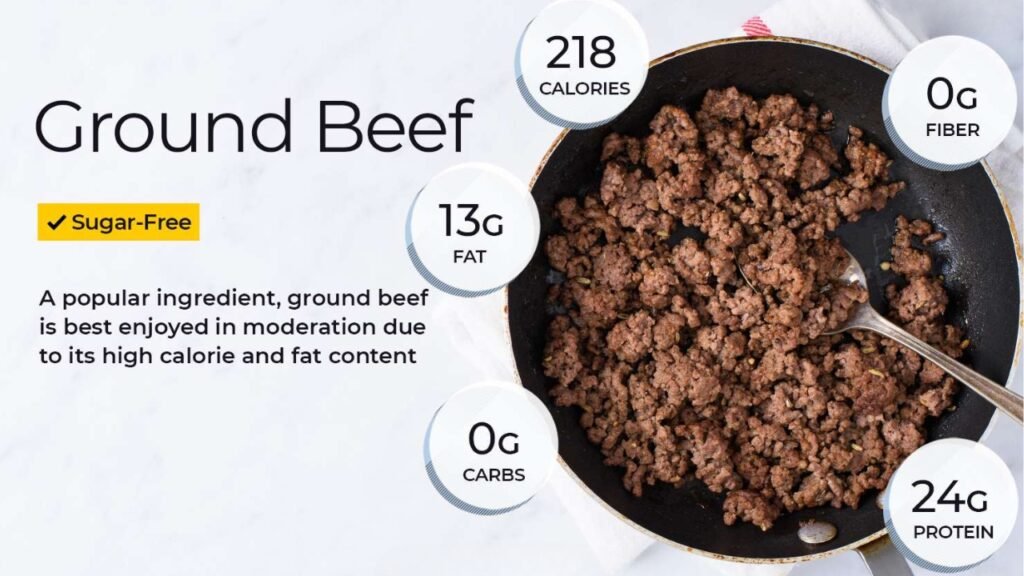
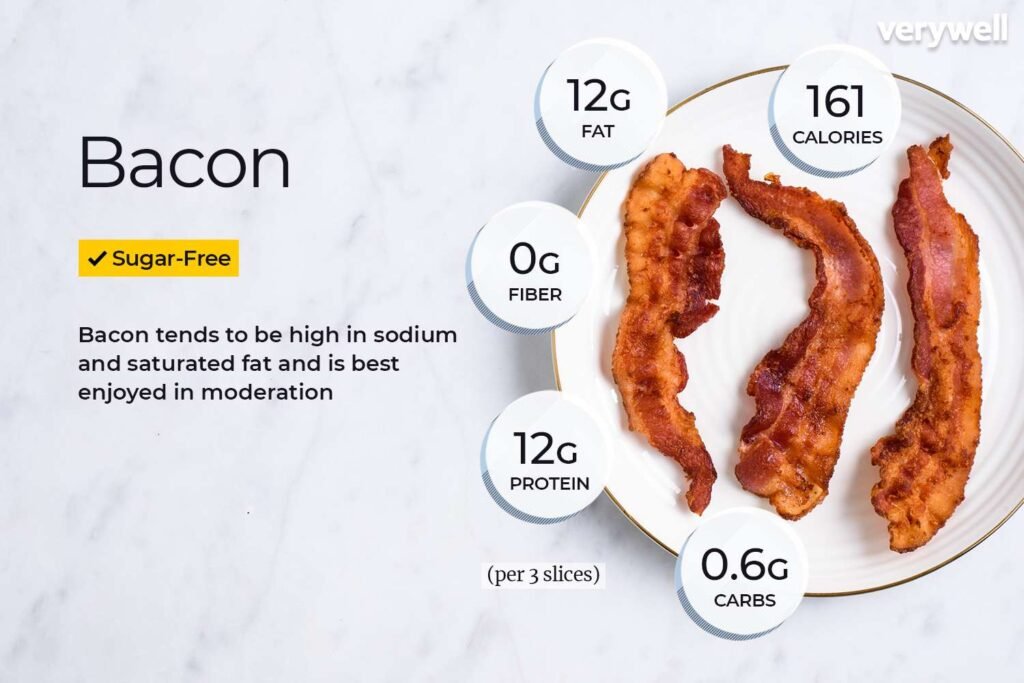
As mentioned earlier, the quality of the calories you consume matters. A diet filled with whole foods like fruits, vegetables, lean proteins, and whole grains will provide more nutrients and support your metabolism compared to a diet rich in processed foods, sugary snacks, or refined carbs.
Weight loss is not just about the number of calories you eat but also about fueling your body with the right kinds of nutrients. This ensures your body stays healthy while losing weight.
Understanding the Role of Exercise in Caloric Burn
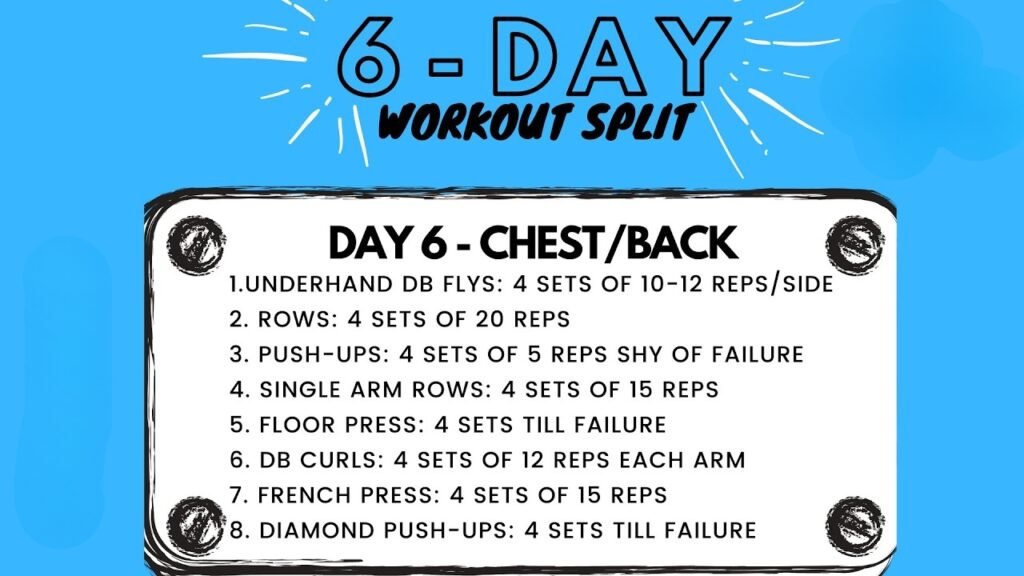
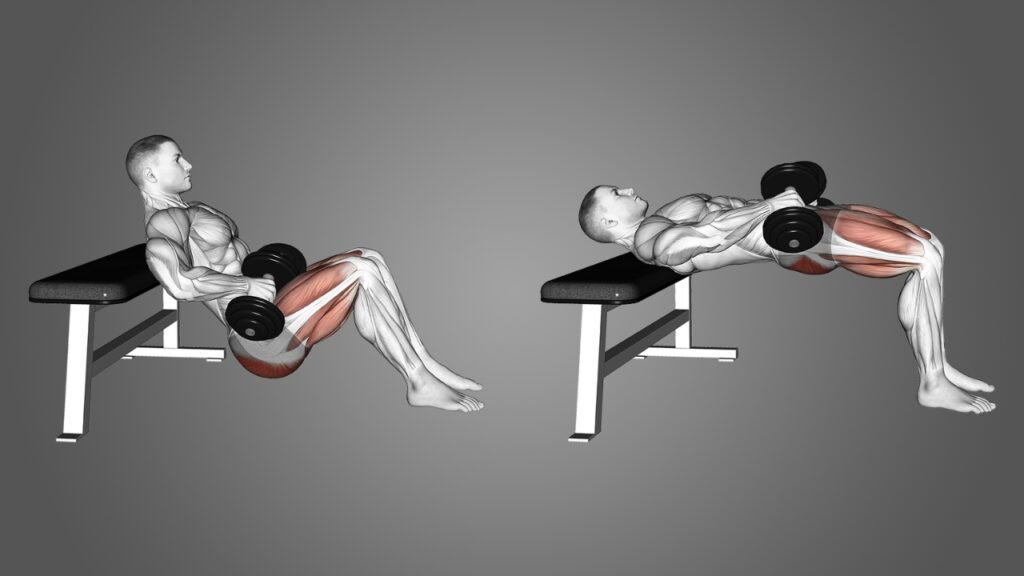
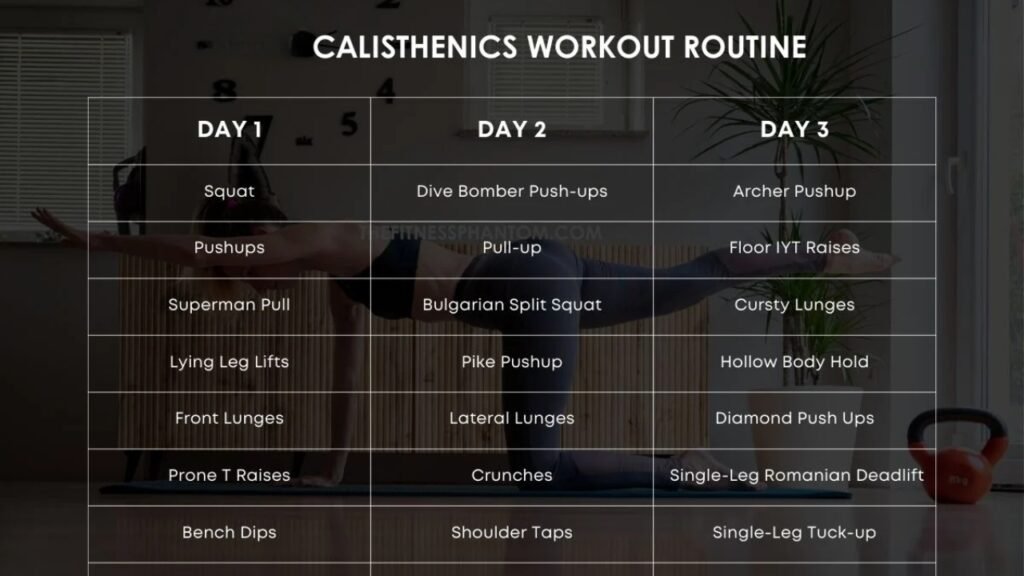
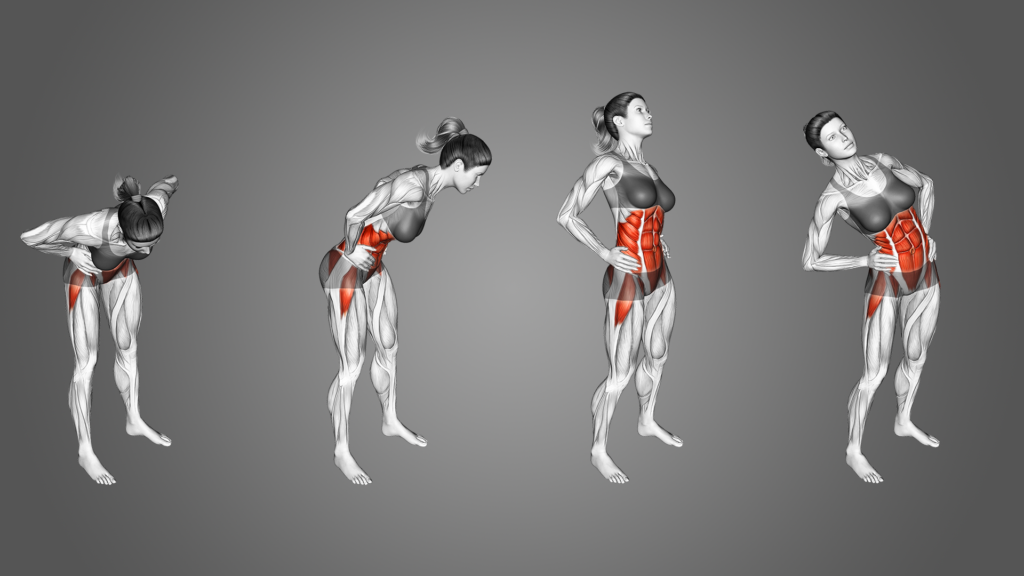
While your caloric intake is essential for weight loss, exercise plays a crucial role in burning additional calories. A sedentary lifestyle can make it harder to create a calorie deficit, even if you’re eating fewer calories. Regular physical activity, such as cardio and strength training, helps increase your TDEE, making it easier to lose weight.
Dr. Berardi further states, “Exercise is key not only for calorie burn but also for improving your metabolism, maintaining muscle mass, and ensuring that you’re losing fat instead of lean body mass.”
By incorporating both diet and exercise into your plan, you can create a sustainable weight loss strategy that is both effective and healthy.
Common Mistakes When Using a Weight Loss Calculator
While a weight loss calculator is a powerful tool, it’s not foolproof. Many people make mistakes when using this tool that can lead to frustration or stalled progress.
Underestimating Caloric Needs
Some people make the mistake of setting their calorie goal too low, thinking that drastic cuts will lead to quicker weight loss. However, extreme calorie restriction can slow down metabolism, lead to nutrient deficiencies, and ultimately sabotage long-term weight loss.
Not Adjusting for Changes
As you lose weight, your caloric needs will decrease. Therefore, it’s important to recalculate your needs periodically and adjust your intake accordingly. A calculator can only give you an estimate; it’s up to you to adjust based on your body’s changes.
Ignoring Other Factors
Weight loss is influenced by more than just calories. Sleep, stress, and genetics all play a significant role in how your body burns calories and loses weight. A weight loss calculator should be just one part of a holistic weight loss plan.
Conclusion: Making the Most of a Weight Loss Calculator
A weight loss calculator calories is an essential tool that can help you understand how many calories you should be consuming to meet your weight loss goals. By tracking your calorie intake, adjusting based on your progress, and integrating exercise, you can create a sustainable and effective weight loss plan. Remember, weight loss is a journey, and consistency is key. By using a weight loss calculator intelligently, alongside a healthy diet and regular exercise, you’re setting yourself up for long-term success.
As Dr. Berardi wisely puts it, “Sustainable weight loss is about making small, consistent changes that add up over time. A weight loss calculator is a guide, but it’s your commitment that makes all the difference.”
If you’re ready to take control of your weight loss journey, start by using a weight loss calculator today, and ensure that every step you take is informed, intentional, and effective.
You may also read
Healthy Asian Recipes: Nourish Your Body with Flavorful Wellness