






























































































































































































































































































































Is Mushroom a Veg? 6 Wild Truths Revealed

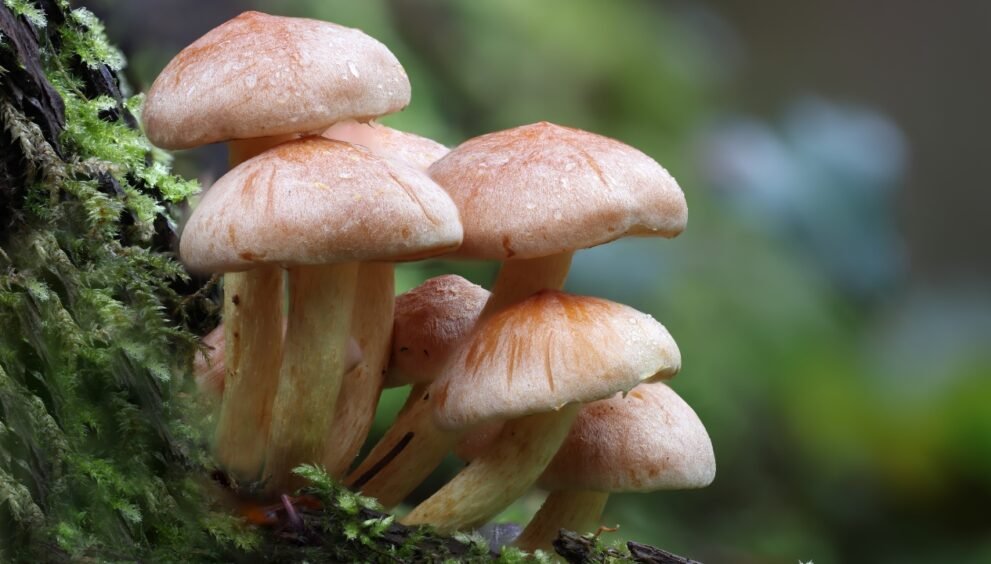
There is no doubt that you will find mushrooms amongst the vegetables in all the groceries in all the aisles and menus in all the restaurants in America. There is almost nothing that mushrooms cannot be used in, whether it is a salad ingredient that you have tossed it into, or risotto that you have stirred it into, or as a meat alternative you have grilled this. However, this brings the question of whether is mushroom a veg or not. It seems simple to think of it because of its location in the produce area but it is more complex than that. When it comes to scientific classification, mushrooms completely step across the line in the realm of the traditional classification of food as they are known to break the conventional definition of botany, nutrition, and cuisine—hence the story presented by their botanical, nutritional and gastronomical parts is worth a second look.
So, today in this blog we are going to look at seven interesting facts that help us to clarify the biological identity of mushrooms, why they are commonly categorized along with the vegetables and how our culture has influenced such a classification. We are also going to draw on research literature and specialized opinion to have a comprehensive understanding based on facts.
Is Mushroom a Veg? The Botanical Breakdown
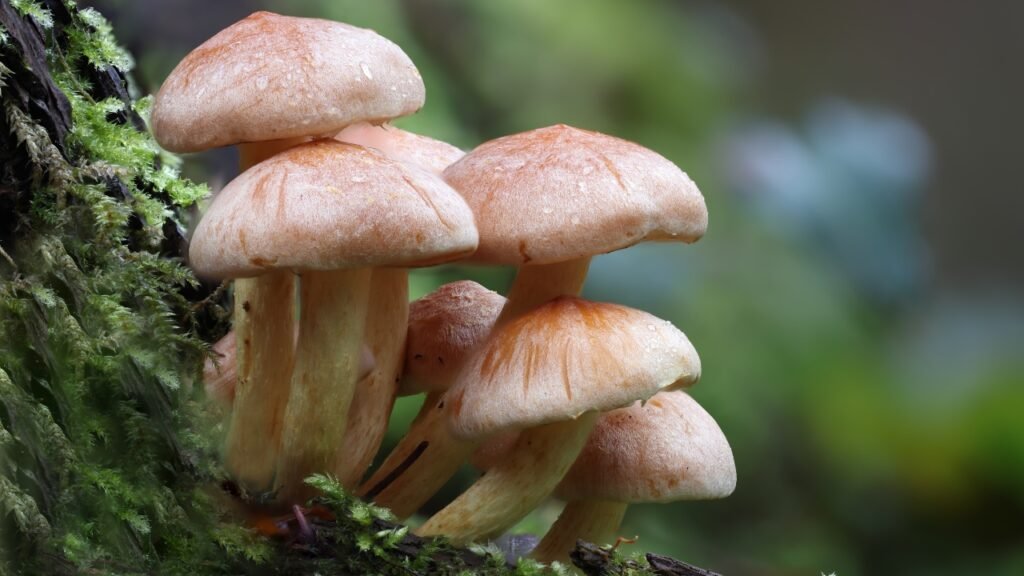
To definitely get the question of whether is mushroom a veg or not, we ought to first draw a line between fungi and plants. It is scientifically proved that mushrooms belong to a kingdom called Fungi, and not Plantae (Moore et al., 2005). This implies that they are more like yeast and molds than broccoli or spinach.
Plants manufacture their own food by absorbing sunlight, carbon dioxide and water to help them give their food in a process known as photosynthesis. Mushrooms, however, are non-photosynthetic, or instead, heterotrophic, i.e., they obtain their food by consuming external organic matter, which is digested through the use of enzymes.
Simply, although plants contain chlorophyll and carry out photosynthesis, the mushrooms take in nutrients of the rotting organic matter, which puts them in a totally different category.
Why Mushrooms Are Prepared As Vegetables in Food
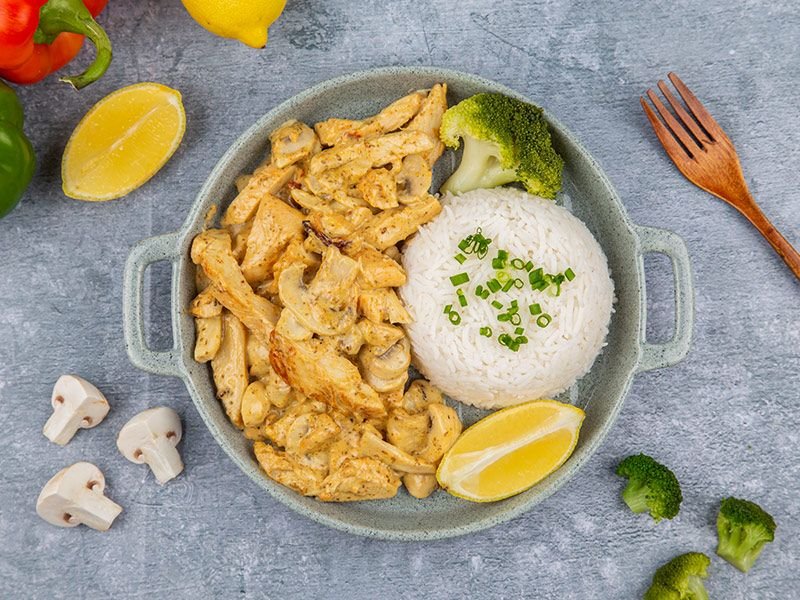
Biologically speaking, mushrooms are never vegetables, but they nearly always are treated and cooked in that way in the kitchen. This is to a great extent because of their umami taste, texture, and nutritional value that cause them to act as a functional replacement of vegetables in recipes.
“Culinarily, any edible vegetable matter—that is, any edible part of a plant or fungi used in savory food. This is why mushrooms are prepared like vegetables though they are not a vegetable.” — Dr. Rachel Hume, culinary expert and botanist
Therefore, by using mushrooms as a part of stir-frys or pasta sauce, the chefs and home cooks are not referring to edible use; they are using culinary utility and not taxonomy. Such duality has added to the misunderstanding of mushrooms.
Mushrooms—A Golden Mean in Terms of Nutritional Value
Mushrooms also offer a wide range of nutrients that are related to vegetables. Findings by the Journal of Food Science and Technology state that mushrooms have low calories, and are high in B-vitamins, antioxidants and also the possible anti-aging compound named ergothioneine is present in mushrooms (Mattila et al., 2001).
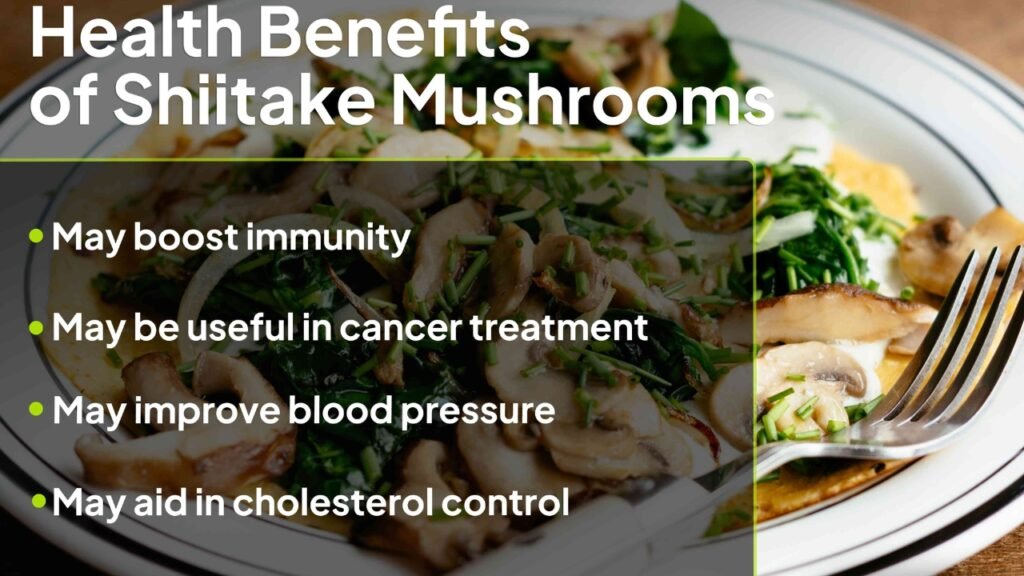
Besides, some varieties such as shiitake and maitake varieties possess beta-glucan that boosts immune functions—an aspect that is usually not common in ordinary vegetables.
Nevertheless, they do not contain fiber and carbohydrates common in most vegetables and this demonstrates their unique nutritional status. That apart though, mushrooms are quite popular in vegan recipes because of their meat-like texture thus they can be used in vegetarian or vegan meals.
Fungi: The Lost Food Kingdom
Part of the confusion can be explained by the fact that the majority of the population only knows of two basic food groups: plants and animals. Fungi as a distinct food category is the aspect of food education that is neglected with the elementary teaching of nutrition.
Fungi have a well-documented history of underrecognition in classification systems even though, as discussed at length in an article in Nature Reviews Microbiology in 2012 (“Fungi: Hidden Kingdom”), they constitute an enormous proportion of Earth biodiversity. Mushrooms usually end up being classified as a vegetable (in educational material and food-guides) merely because that is the most incriminating placement in terms of use.
This however does not make the classification accurate. It is only an expression of such convenience-driven model, a system that does not consider the ecological and biological novelty of fungi.
Interpretations on Mushrooms as Vegetables
There is also the cultural interpretation bringing its contribution. Mushrooms also are considered medicinal foods in most parts of Asia, where they usually constitute another separate category. Reishi and cordyceps mushrooms are also used in traditional Chinese medicine because of their medicinal qualities.
Compared to that, mushrooms in the Western cultures are generally used as side dishes or garnish. This perceptional and purposeful divergence is one of the elements of ambiguous classification.
The categorization of mushrooms is further convoluted, as a more prominent shift to plant-based diets in the U.S. promotes the use of fungi as an alternative to meat products. They are not only vegetables but full-blown protein alternatives as in portobello mushroom burgers or lion’s mane steak.
Science vs. Law: Labels that Matter
The meaning of the terms can be different in legal and nutritional labeling. The USDA dietary food guide MyPlate places mushrooms in the “other vegetables” group—not on the basis that it is a plant, rather its common use in mushroom dietary planning will fall under the category of vegetables.
Such distinction is relevant to school lunches, food guidelines and food labels. It also shows the fact that classification systems often have to be less accurate but easier to follow so that they can inform the nutrition habits of the population.
But in science and education circles the line is more drawn: mushrooms are not plants and not animals, they are fungi and it is time to label them so.
The Use of Mushrooms in Vegetarian Dieting
Diets that are based on plants are exploding within the United States, and millions of people are starting to call themselves vegetarians, vegans, and flexitarians. The mushroom is an important ingredient that fills the texture and flavor gap that is left by meat.
Following a vegetarian diet incorporating fungi can supply micronutrients which are essential components of a vegetarian diet but which are not necessarily abundant in plants, as the Journal of the Academy of Nutrition and Dietetics (2019) details.
This overlap in regards to functionality with the vegetable redeems the notion of mushrooms being perceived as members of the vegetable family yet they are not, but this is overridden by the fact that it has the functionality of vegetables.
Mushrooms—In a Class of Their Own
Then, is mushroom a veg? The response will be a situation that lies in the way you want to go about it. Mushrooms are not vegetables biologically, but fungi and as such exist in their own kingdom that is neither animal nor plant. In culinary, nutritional and cultural terms they can be used as vegetables and classified so because they are convenient to handle.
This gray area of science and usefulness demonstrates how complicated the world of food can be. As a chef, nutritionist or home cook, gaining an insight on the true nature of mushrooms can assist in overall nutritional-related choices and possibly the realization of the fact that what we consume is much more varied than most of us imagine.
It is probably time to appreciate that fungi, along with plants and animals, form a special, vital food group in their own right: one that takes its own eminent place at the table.