


















































































































































































































































































































Gomukhasana: Unlocking the Benefits of the Cow Face Pose

Yoga has long been celebrated for its holistic benefits on the body and mind, blending physical postures with mental focus and breath control. Among these postures, gomukhasana, also known as the Cow Face Pose, stands out for its unique ability to stretch and strengthen simultaneously. This seated yoga pose engages the shoulders, hips, and chest, offering a deep stretch that promotes flexibility, improves posture, and encourages mental relaxation. Whether you are a beginner seeking gentle hip opening or an advanced practitioner aiming to enhance shoulder mobility, gomukhasana provides a versatile and transformative experience.
Dr. Emily Richards, a certified yoga therapist, notes, “Gomukhasana is exceptional because it addresses multiple areas of tension in the body, especially in the shoulders and hips, while simultaneously promoting mindfulness and calm.”
Understanding Gomukhasana
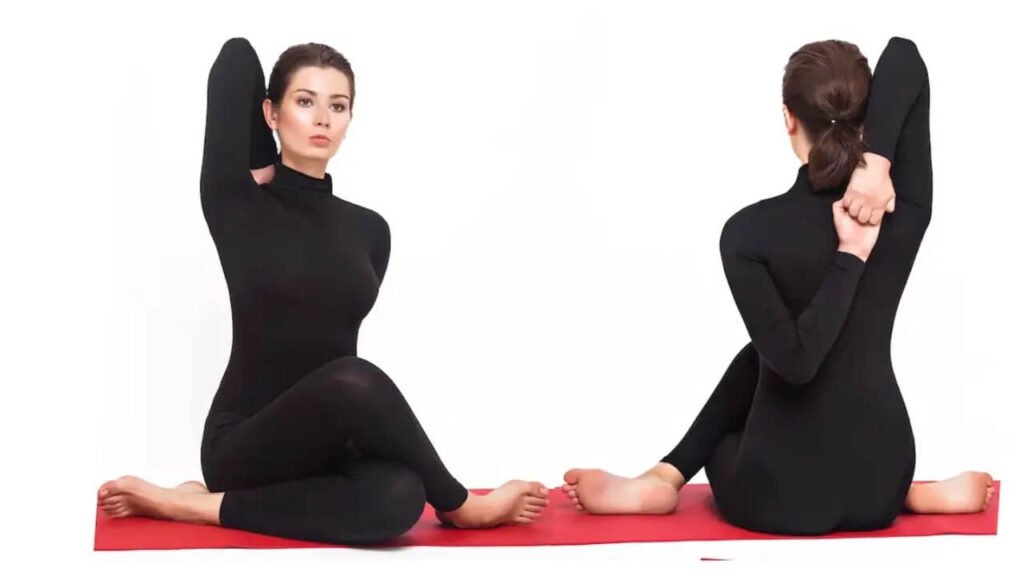
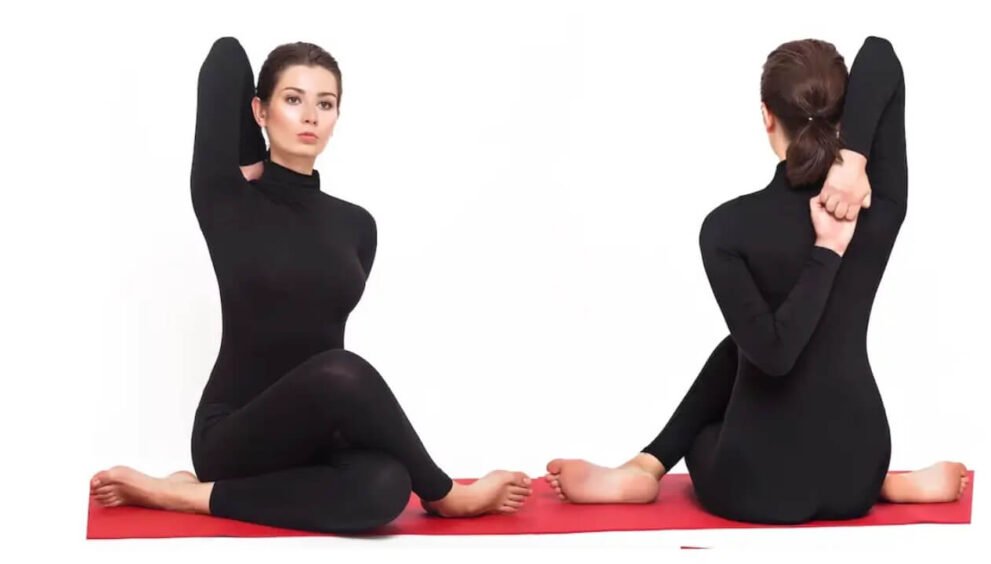
The term “gomukhasana” comes from Sanskrit, where “go” means cow, “mukha” means face, and “asana” refers to posture. The pose visually resembles the face of a cow, with the bent legs stacked over each other and arms clasped behind the back, creating an alignment reminiscent of a cow’s head. Traditionally, it has been practiced to improve concentration, flexibility, and strength. Its emphasis on symmetry and alignment makes it a staple in many Hatha and Vinyasa yoga classes.
Physical Benefits
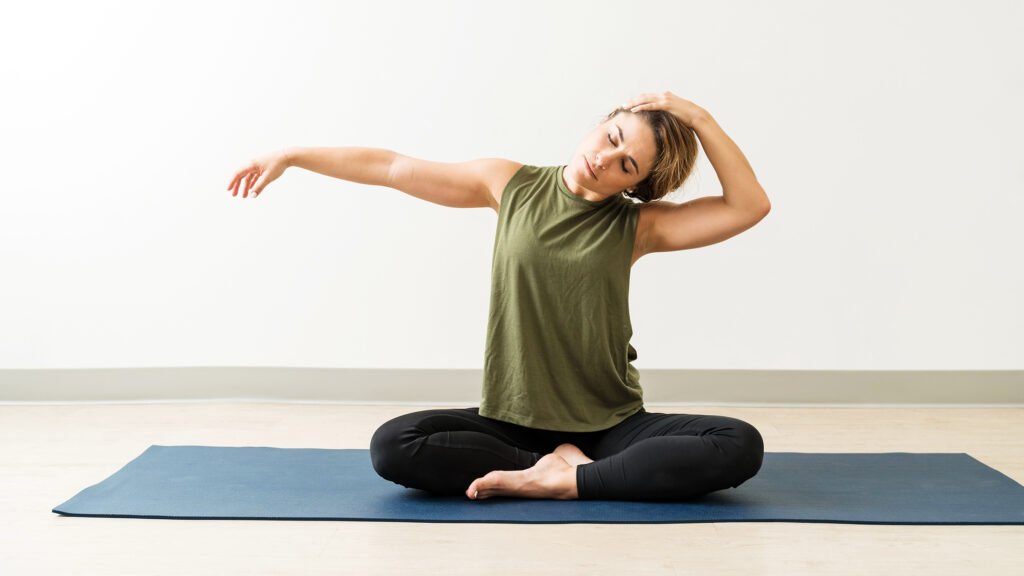
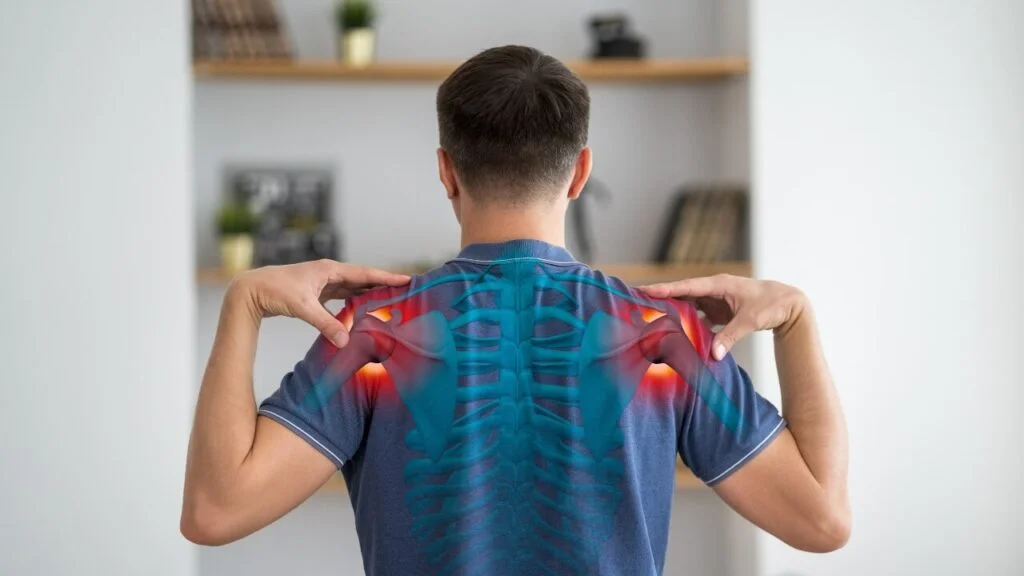
Shoulder and Arm Flexibility: One of the most noticeable benefits of gomukhasana is the stretch it provides to the shoulders and arms. By clasping the hands behind the back, practitioners open the chest and improve range of motion, helping counteract stiffness caused by prolonged sitting or computer work.
Hip Opening and Posture Improvement: The seated leg position stretches the hips, thighs, and glutes. Over time, this can alleviate tightness in the lower body, improve posture, and even reduce lower back discomfort.
Enhanced Spinal Alignment: Maintaining an upright spine during gomukhasana encourages spinal lengthening and alignment, which benefits overall body mechanics and can reduce chronic tension in the back.
Mental and Emotional Benefits
Yoga postures are not solely about physical fitness—they also offer mental and emotional healing. Gomukhasana encourages focus and mindful breathing, which helps reduce stress and anxiety. By holding the pose for several breaths, practitioners can cultivate patience and awareness, enhancing their mental clarity and resilience.
Step-by-Step Guide to Practicing Gomukhasana
Preparation
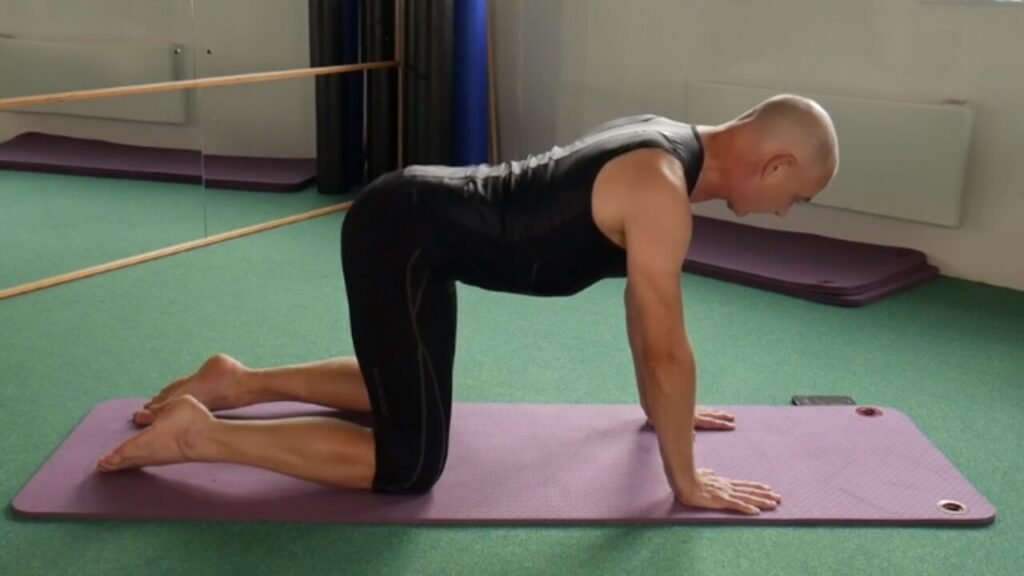
Before attempting gomukhasana, it is important to warm up the body with gentle stretches, especially targeting the shoulders, hips, and spine. A few rounds of cat-cow stretches, shoulder rolls, and hip openers can prepare the body for deeper engagement.
The Pose
- Begin by sitting on the floor with your legs extended straight in front of you.
- Bend your knees and cross the right leg over the left, stacking the knees so that the right knee is directly above the left. The feet should rest comfortably beside the hips.
- Reach your right arm behind your back and your left arm over the shoulder, attempting to clasp the hands together. If this is difficult, use a yoga strap or towel to bridge the gap.
- Sit tall, engage the core, and gently lift through the chest while keeping the spine elongated.
- Hold the pose for 30 to 60 seconds while maintaining steady, deep breaths.
- Release and switch sides to maintain balance and symmetry in the body.
Modifications and Common Mistakes
For beginners, it may be challenging to clasp the hands behind the back. Using a yoga strap can help gradually increase shoulder flexibility. Additionally, placing a folded blanket under the hips can ease pressure and allow for better alignment. Common mistakes include rounding the back, forcing the arms to clasp, or twisting the hips; these should be avoided to prevent strain.
Integrating Gomukhasana into Your Yoga Practice
Gomukhasana can be integrated into both gentle and vigorous yoga sequences. In a Hatha yoga session, it often follows forward bends and gentle hip openers, while in a Vinyasa flow, it can serve as a counter-stretch after heart-opening poses like downward dog or upward facing dog.
Frequency and Duration
For optimal benefits, gomukhasana can be practiced daily, especially for individuals seeking shoulder mobility or hip flexibility. Holding the pose for multiple breaths and gradually increasing duration can enhance its effects without causing strain.
Scientific Insights and Expert Opinions
Research indicates that poses like gomukhasana, which combine hip and shoulder opening with spinal alignment, contribute to improved musculoskeletal health. A 2020 study published in the Journal of Bodywork and Movement Therapies suggested that regular yoga practice can enhance shoulder flexibility and reduce chronic tension, supporting the benefits observed in gomukhasana practitioners. Furthermore, Dr. Sandra Lee, a physical therapist specializing in yoga therapy, explains, “Incorporating postures like gomukhasana into a consistent practice can help release deep-seated tension and improve functional mobility, particularly in sedentary individuals.”
Potential Risks and Precautions
While gomukhasana is generally safe for most practitioners, those with shoulder injuries, knee problems, or hip issues should approach the pose cautiously. Modifications such as using props or reducing the range of motion can help prevent injury. Additionally, practitioners should avoid forcing their bodies into the pose, prioritizing gradual progression and mindful breathing.
Exploring the Holistic Impact
Beyond the physical, gomukhasana exemplifies the holistic essence of yoga. It challenges the body, engages the mind, and nurtures emotional awareness. By holding the pose, practitioners cultivate patience, mindfulness, and an appreciation for the body’s capabilities. Over time, these qualities extend into daily life, improving overall well-being and resilience.
Complementary Practices
Pairing gomukhasana with deep breathing exercises, meditation, or other hip-opening sequences can enhance its effects. Techniques such as pranayama (breath control) further increase relaxation and focus, complementing the pose’s physical benefits.
Conclusion
Incorporating gomukhasana into your yoga practice offers a multifaceted approach to physical and mental wellness. By targeting the shoulders, hips, and spine, this Cow Face Pose not only enhances flexibility and posture but also promotes emotional balance and mindfulness. Whether you are a beginner or an experienced yogi, practicing gomukhasana regularly can help release tension, improve mobility, and support holistic health. As Dr. Emily Richards emphasizes, “The true value of gomukhasana lies in its ability to unite body and mind, encouraging both physical strength and mental clarity.” By committing to a consistent practice and respecting your body’s limits, gomukhasana can become a cornerstone of a healthy, balanced lifestyle.
you may also like
The Power of Serratus Exercises: Shoulders for Better Mobility