







































































































































































































































































































































































































Greek Yogurt vs Sour Cream: Which Is the Healthier Choice for American Kitchens?

When standing in the dairy aisle, many Americans often face a familiar question: Greek yogurt vs sour cream—what’s the better choice? Both are creamy, tangy, and versatile staples in countless dishes, from hearty stews to vibrant salads and flavorful dips. Yet, deciding between these two can feel confusing given their contrasting nutritional profiles, culinary applications, and health benefits. This blog dives deep into these two dairy delights, exploring not only their differences in taste and texture but also their impact on health, cooking versatility, and how they fit into modern American diets. Ultimately, readers will be empowered with knowledge to make more informed choices tailored to their lifestyle.
Understanding Greek Yogurt and Sour Cream: Origins and Composition
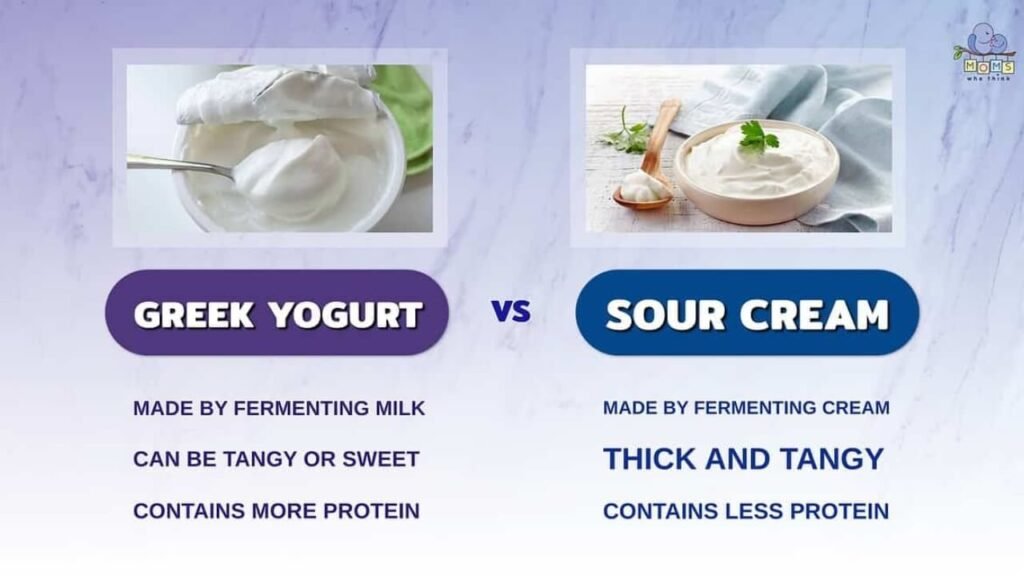
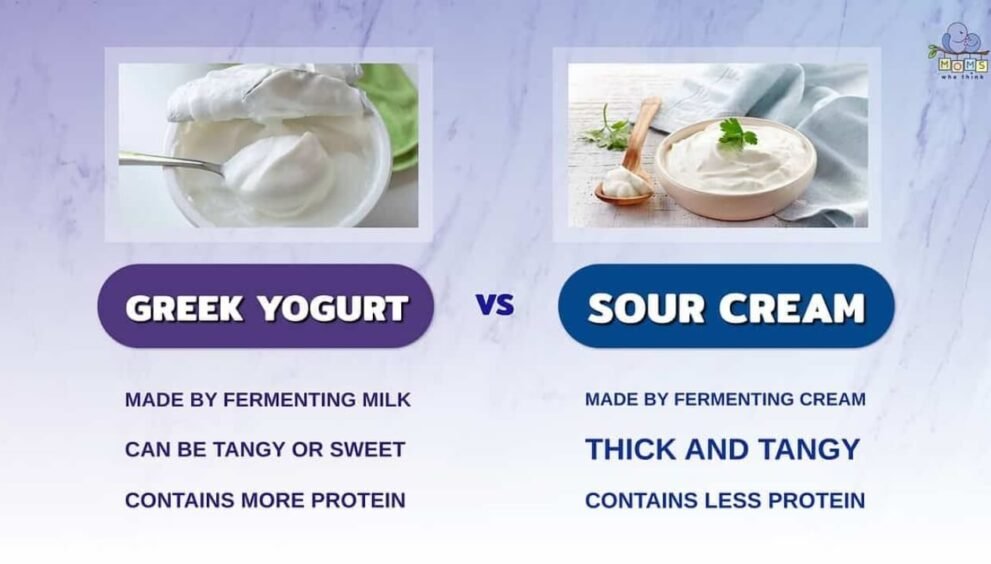
Greek yogurt and sour cream come from similar beginnings—they start with dairy—but their production processes and bacterial cultures differ significantly. Greek yogurt is made by straining regular yogurt to remove whey, resulting in its characteristic thick, creamy texture and concentrated protein content. On the other hand, sour cream begins with cream rather than milk, which is fermented with specific bacteria (lactococcus species), lending it a richer, tangier flavor.
The fermentation process not only adds to the flavor complexity but also influences health properties such as probiotic content. As a registered dietitian and food scientist succinctly puts it, “Plain Greek yogurt is generally considered healthier than sour cream because it is lower in fat and has a higher protein content.” The tanginess and creaminess of both arise from fermentation but are influenced by different bacterial strains, which also influence taste and texture subtly.
Nutritional Breakdown: Protein, Fat, and Calories
When comparing Greek yogurt vs sour cream from a nutritional standpoint, several distinctions emerge. Greek yogurt typically boasts a higher protein content—approximately 3.47 grams per 100 grams—making it a favored choice for those aiming to enhance satiety and muscle health. In contrast, sour cream contains roughly 1 to 2 grams of protein per two-tablespoon serving, contributing less to daily protein intake.
In terms of fat and calories, Greek yogurt is often lower, especially when opting for non-fat or low-fat varieties, with a 6-ounce serving containing between 100 to 150 calories. Sour cream, being cream-based, is richer in fat and calories, with a two-tablespoon serving packing around 60 to 70 calories. Additionally, Greek yogurt provides beneficial vitamins such as calcium, potassium, phosphorus, and B vitamins, along with probiotics that support gut health. Sour cream, while rich in calcium and vitamin A, generally has less nutritional density overall.
Culinary Uses and Cooking Considerations: Versatility and Heat Stability
Both Greek yogurt and sour cream shine in culinary applications but offer distinct advantages. Greek yogurt’s thick and creamy texture lends itself beautifully to dressings, dips, marinades, and baked goods where a mildly tangy but less rich flavor is desired. Its versatility allows it to seamlessly replace sour cream in many recipes, enhancing nutrient content without compromising taste significantly.
Sour cream, revered in traditional dishes such as stroganoff and beef stews, offers richness and a smooth tang that elevates sauces and casseroles. Notably, it possesses superior heat stability compared to Greek yogurt due to its higher fat content, which prevents curdling when heated. Greek yogurt, particularly low-fat versions, can curdle if subjected to direct high heat; however, this can be mitigated by tempering the yogurt gradually or using full-fat varieties.
In American kitchens, this means sour cream may still reign supreme when cooking hearty, creamy dishes requiring heat, while Greek yogurt is an excellent choice for cold applications or recipes where health-conscious substitutions are desired.
Health Implications and Dietary Considerations for Americans
Modern American diets increasingly emphasize nutrient density, heart health, and weight management. The higher protein and lower fat profile of Greek yogurt make it a fitting choice for those pursuing these goals. Its probiotics also support digestive health, which aligns well with growing awareness of gut-brain connections and immune resilience.
Conversely, sour cream’s higher fat content can elevate calorie intake and saturated fat consumption, considerations important for individuals managing cardiovascular risks or caloric balance. Still, sour cream provides valuable nutrients such as vitamin A and calcium. Therefore, the choice often comes down to personal health priorities and taste preferences.
Nutrition expert and dietitian recommendations often highlight that while sour cream adds richness and flavor, opting for Greek yogurt as a substitute in recipes can yield health benefits without sacrificing culinary satisfaction. As one expert summarized, substituting Greek yogurt can be a smart choice to maintain flavor while enhancing nutritional value, especially in diets focused on lean protein intake and lower fat.
Environmental and Economic Perspectives
While not often discussed, choosing between Greek yogurt and sour cream can also reflect environmental and budget considerations. Greek yogurt production can be somewhat resource-intensive due to the additional straining process, though its higher protein concentration may offer better value per nutrient. Sour cream production starts with cream, a more fat-dense dairy product, potentially implicating different resource uses.
From an economic viewpoint, prices can vary regionally and seasonally. Greek yogurt varieties tend to offer a range of options, from budget-friendly to premium, catering to various American household preferences. Sour cream, a staple in many traditional American recipes, is generally affordable and widely available.
Expert Advice on Incorporating Both in American Diets
Nutrition and culinary experts recommend balancing enjoyment and nutrition by including both Greek yogurt and sour cream selectively. Greek yogurt’s nutritional benefits and versatility make it ideal for everyday use, from breakfast parfaits to sauces and snacks. Sour cream, with its unique flavor profile, remains valuable for special dishes where its texture and creaminess are unmatched.
Registered dietitian and food scientist Angela Lemond states, “Using Greek yogurt as a substitute for sour cream can lower fat intake and increase protein in recipes, aligning with healthier eating patterns while maintaining taste.” Therefore, incorporating both wisely supports culinary creativity and health goals simultaneously.
Conclusion: Making the Right Choice in Greek Yogurt vs Sour Cream
In conclusion, the choice between Greek yogurt vs sour cream ultimately hinges on health priorities, culinary uses, and personal taste preferences. Greek yogurt stands out for its higher protein, lower fat, probiotic benefits, and versatility in cold or room-temperature recipes. Meanwhile, sour cream excels in adding richness, heat stability, and classic tang to warm dishes and traditional American favorites.
For Americans seeking to embrace healthier eating without foregoing flavor, Greek yogurt offers an excellent alternative or complement to sour cream. Understanding their distinct compositions and functions helps make informed choices that satisfy both the palate and nutritional needs. Whether dolloped atop baked potatoes, stirred into soups, or blended into creamy dressings, these dairy delights each hold a valuable place in America’s diverse culinary repertoire.
By embracing knowledge and moderation, diners can enjoy the best of both worlds in their kitchens and on their plates.
you may also like
Lentil Sprouts: A Nutritional Powerhouse for Everyday Health