



























































































































































































































































































































Understanding Vastus Lateralis Muscle Pain: Causes, Symptoms, and Relief

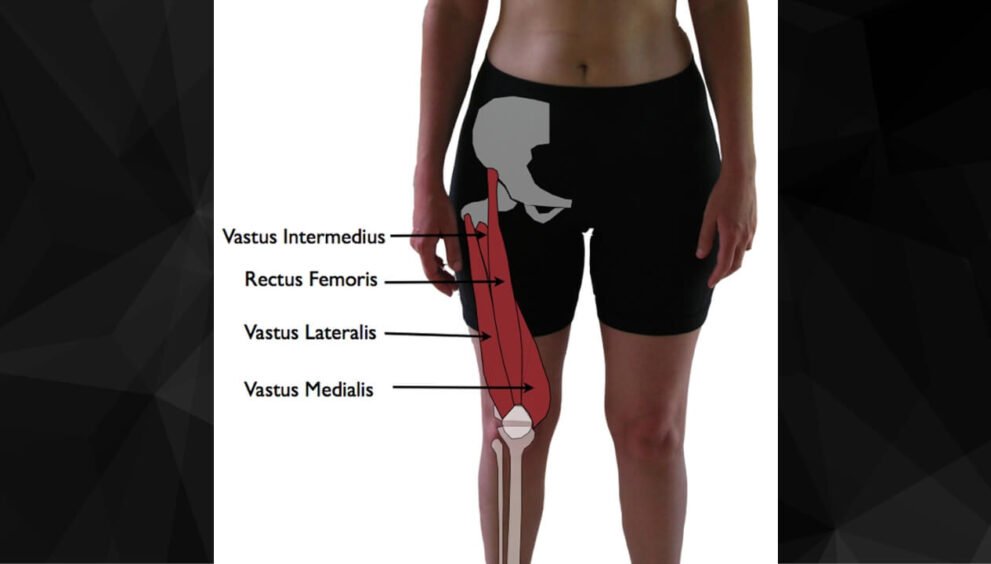
Vastus lateralis muscle pain is a common yet often misunderstood issue affecting many Americans, especially those who are active or experience prolonged sitting. This pain arises from the vastus lateralis, the largest muscle within the quadriceps group situated on the outer thigh. Experiencing discomfort in this area can significantly impact mobility and quality of life, making it essential to understand its causes, symptoms, and effective management strategies. In this blog, we will delve deeply into the vastus lateralis muscle pain, exploring its anatomy, common triggers, clinical implications, and ways to find relief.
What Is the Vastus Lateralis Muscle and Why Does It Matter?
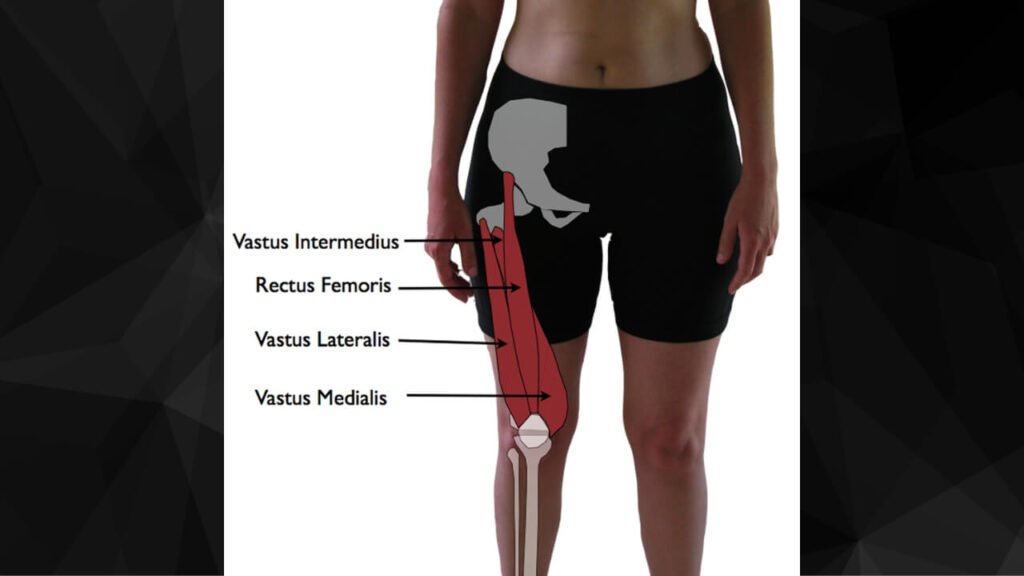
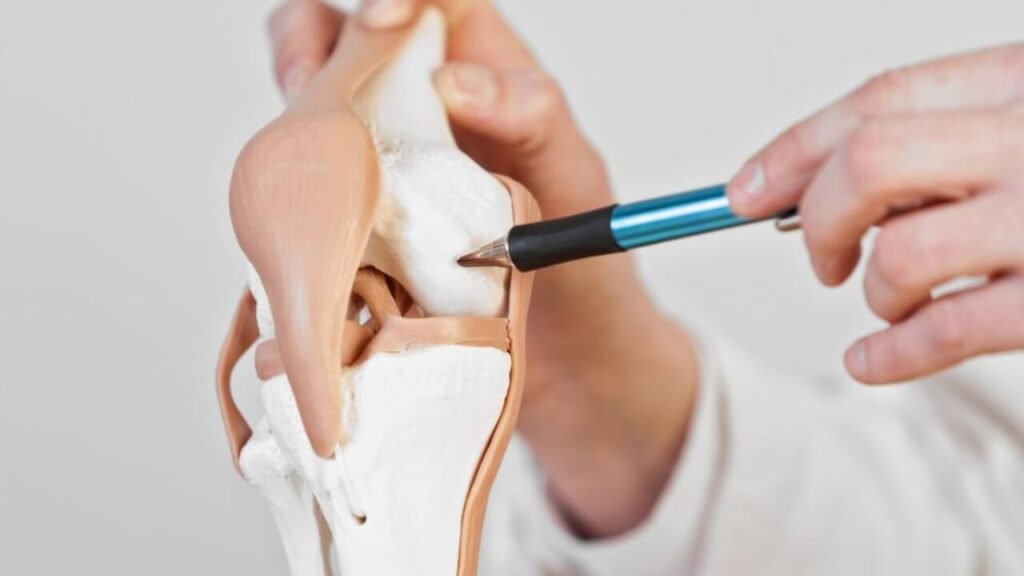
The vastus lateralis muscle is a crucial component of the quadriceps muscle group, located on the lateral side of the thigh. This muscle plays an important role in extending the knee, supporting movements like walking, running, and squatting. Notably, it is the strongest portion of the quadriceps, accounting for about 40% of its overall strength. Its size and position expose it to various strains and injuries. Problems with this muscle can lead to lateral thigh pain and contribute to knee issues such as patellofemoral dysfunction, where the kneecap does not track properly. This is often linked to an imbalance between the vastus lateralis and the vastus medialis muscles, exacerbating conditions like anterior knee pain and joint instability.
Causes of Vastus Lateralis Muscle Pain
Vastus lateralis muscle pain can stem from multiple factors. One common source is direct trauma, such as falls, bumping the thigh, or sports-related injuries. For example, sudden overload or rapid forceful contraction during activities like skiing or running can activate trigger points in the muscle. Overuse injuries develop from repetitive strain, especially in sports or prolonged activities involving deep knee bends. Conversely, underuse also plays a role, as sitting for long periods with the knee fully extended keeps the muscle in a shortened position, perpetuating pain and tightness.
Muscle imbalances are another source of pain. When the vastus lateralis is overdeveloped relative to the vastus medialis, it can pull the patella laterally, leading to abnormal movement and pain around the knee. This is often worsened by anatomical factors such as an increased Q-angle in the lower limb (genu valgum), further straining the lateral knee structures. Tightness in related muscles, such as the iliotibial band (ITB) and soleus, can overload the vastus lateralis and trigger myofascial pain points, compounding the discomfort.
Symptoms and Clinical Presentation
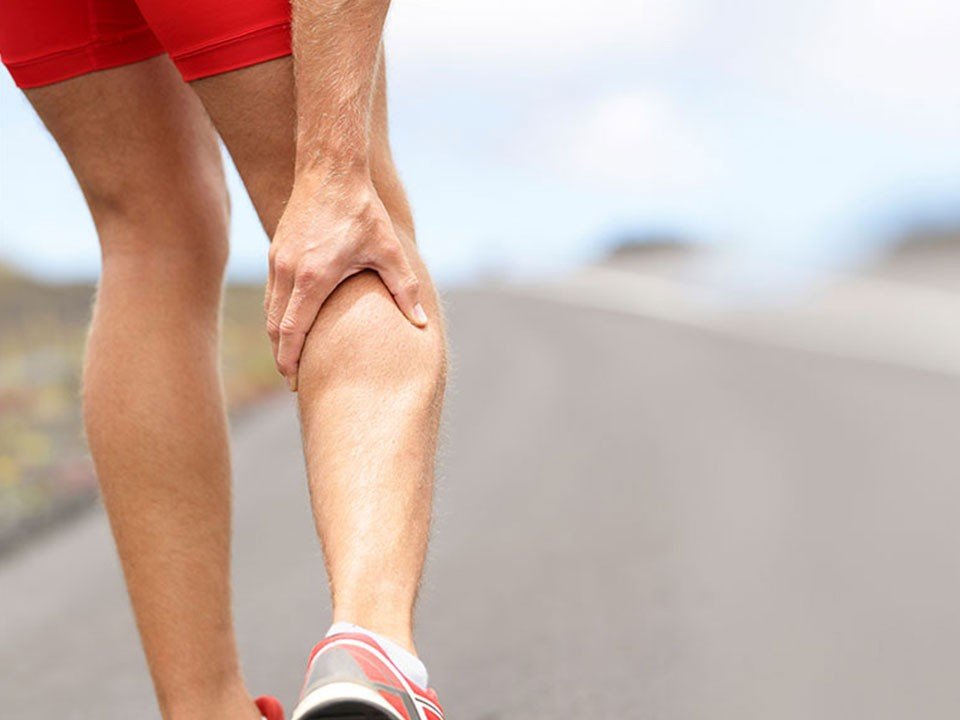
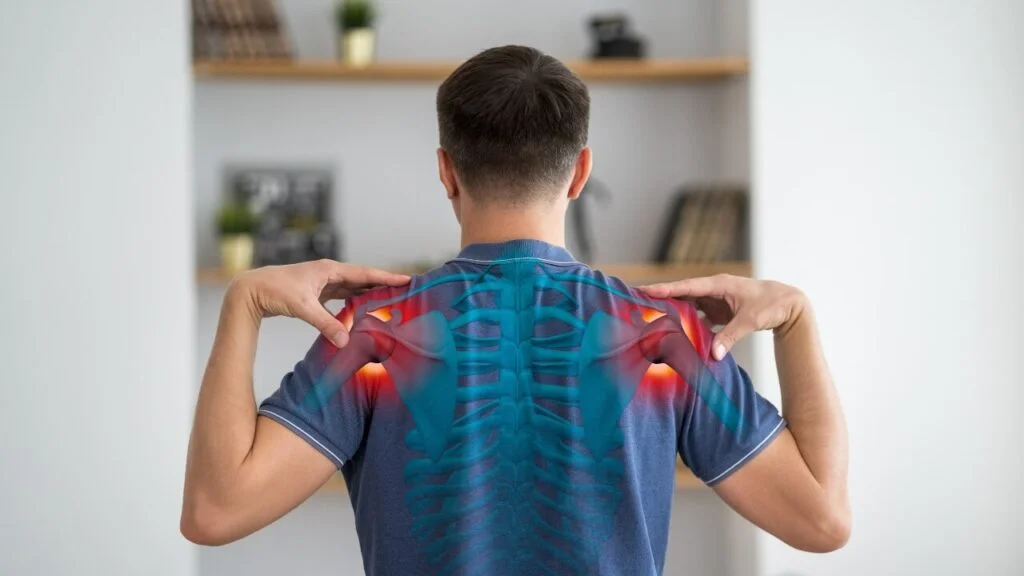
Pain from the vastus lateralis often manifests along the outer side of the thigh, around the knee, and sometimes extending slightly below the knee joint. Individuals may experience a “stuck patella” sensation, where the kneecap feels locked or misaligned during movement, causing limping or difficulty walking. Walking with a stiff leg or dragging one foot may indicate activation of trigger points in the muscle.
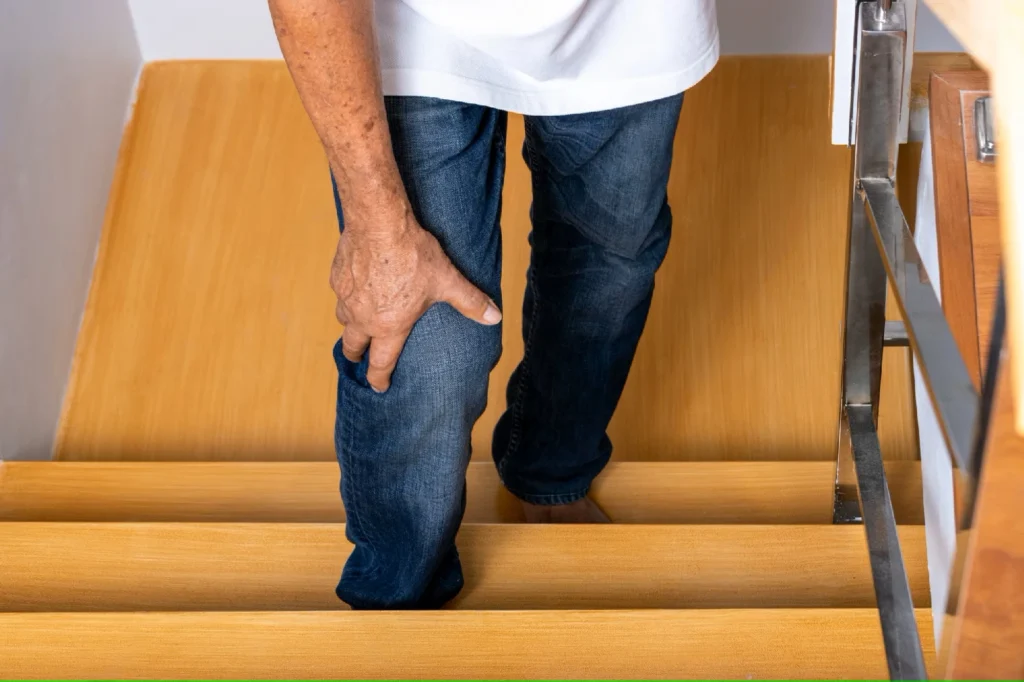
Other symptoms include localized tenderness, muscle tightness, and sometimes swelling following a strain or tear. Activities such as rising from a chair or going down stairs can exacerbate the discomfort. In children, pain might also be felt as radiating through the back of the knee. Trigger points in the vastus lateralis are notorious for creating referred pain patterns that can be mistaken for other conditions like iliotibial band syndrome or general knee joint problems.
Expert Insights on Vastus Lateralis Muscle Pain
Dr. Amanda Lewis, a renowned sports medicine specialist, explains: “Vastus lateralis muscle pain is frequently underestimated in clinical practice. Its involvement in knee stability and gait function means that any dysfunction can severely affect mobility. Proper diagnosis and treatment targeting muscle balance and trigger points are critical for long-term recovery and preventing recurring pain.”
Treatment and Rehabilitation of Vastus Lateralis Muscle Pain
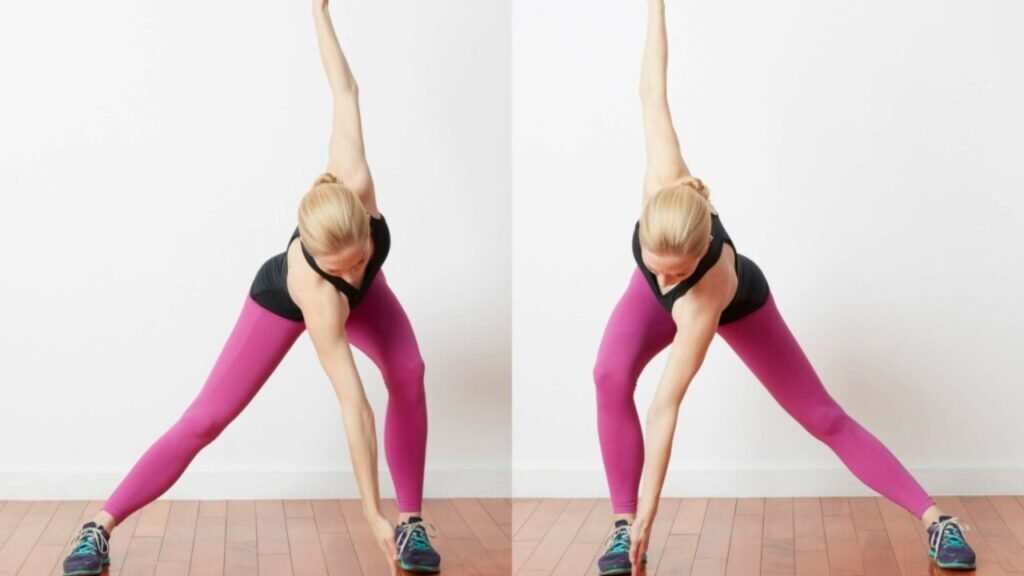
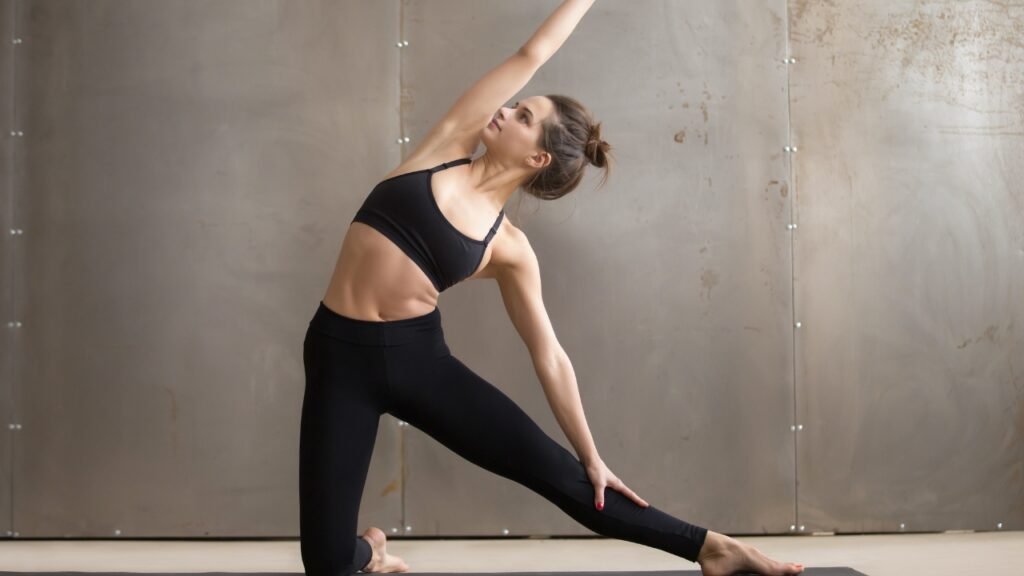
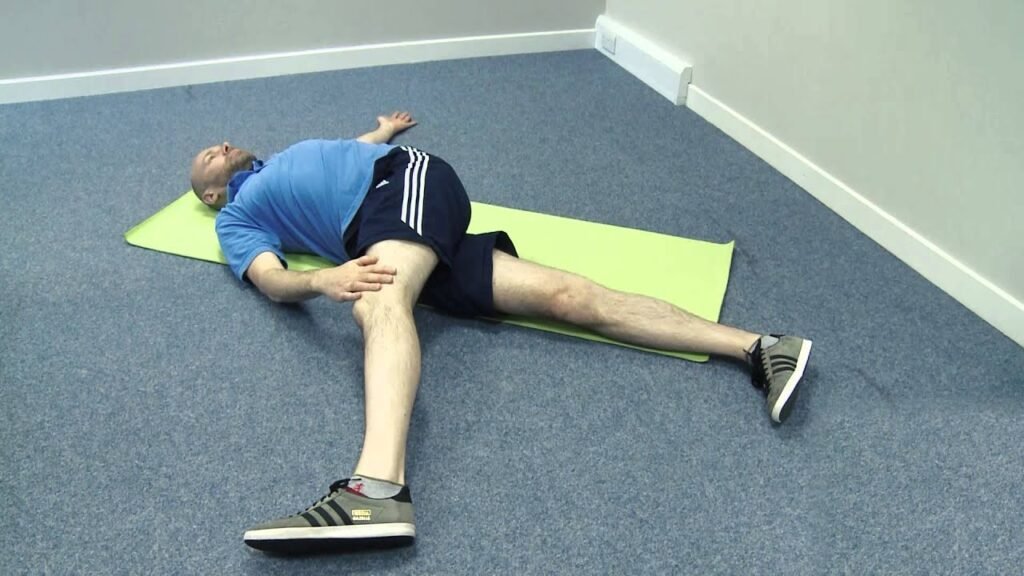
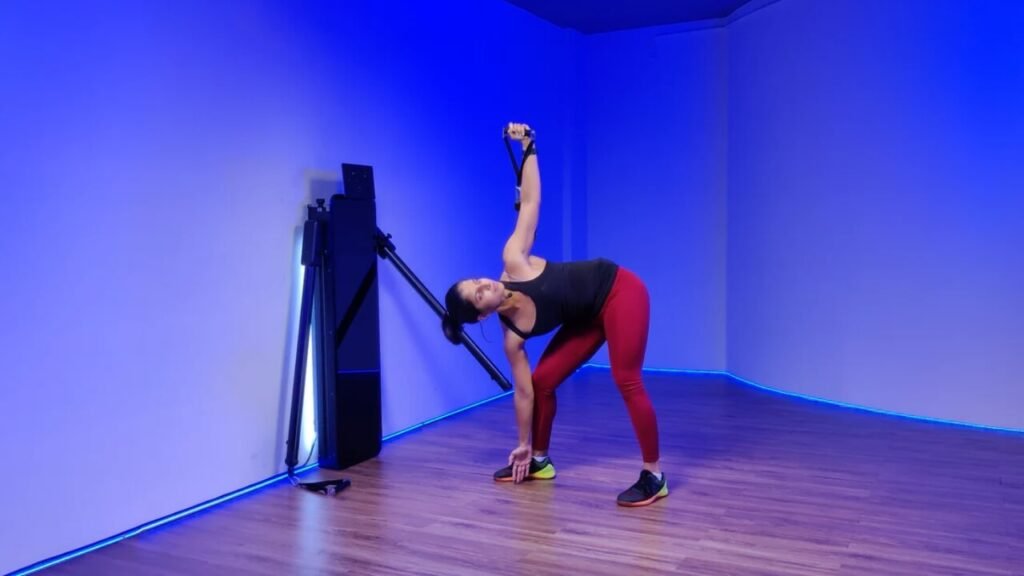
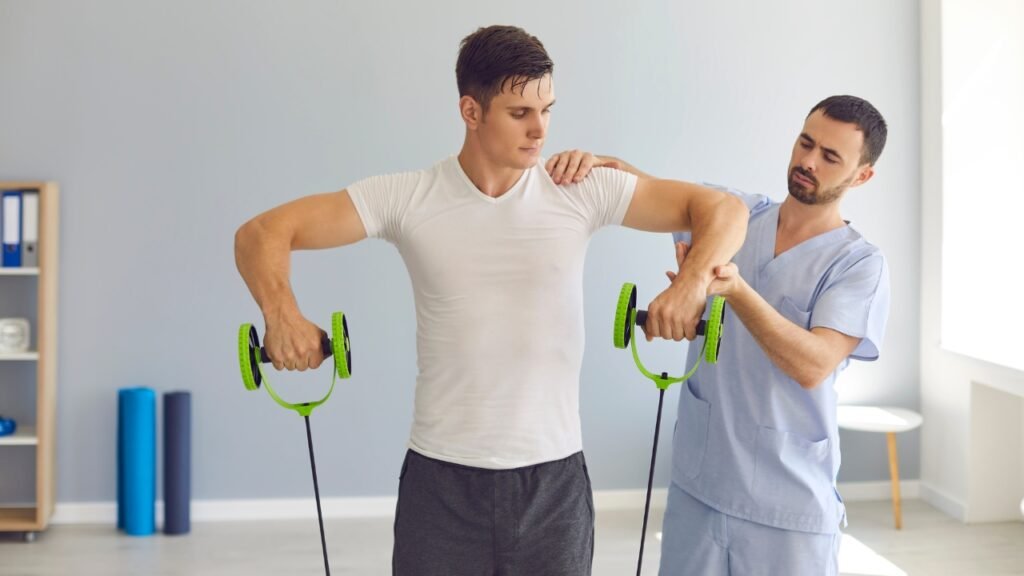
Addressing vastus lateralis muscle pain requires a multifaceted approach. Initially, rest and avoidance of aggravating activities help reduce inflammation and allow tissue healing. Applying ice and anti-inflammatory measures provide symptomatic relief. Physical therapy is paramount for rehabilitation, focusing on stretching tight muscles, strengthening weak muscles (especially the vastus medialis to restore balance), and correcting movement patterns.
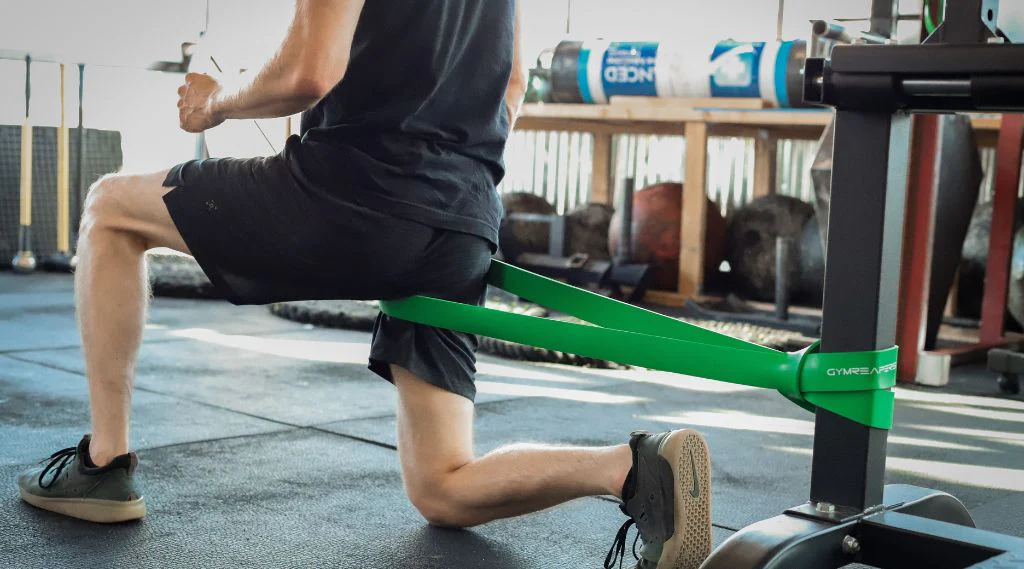
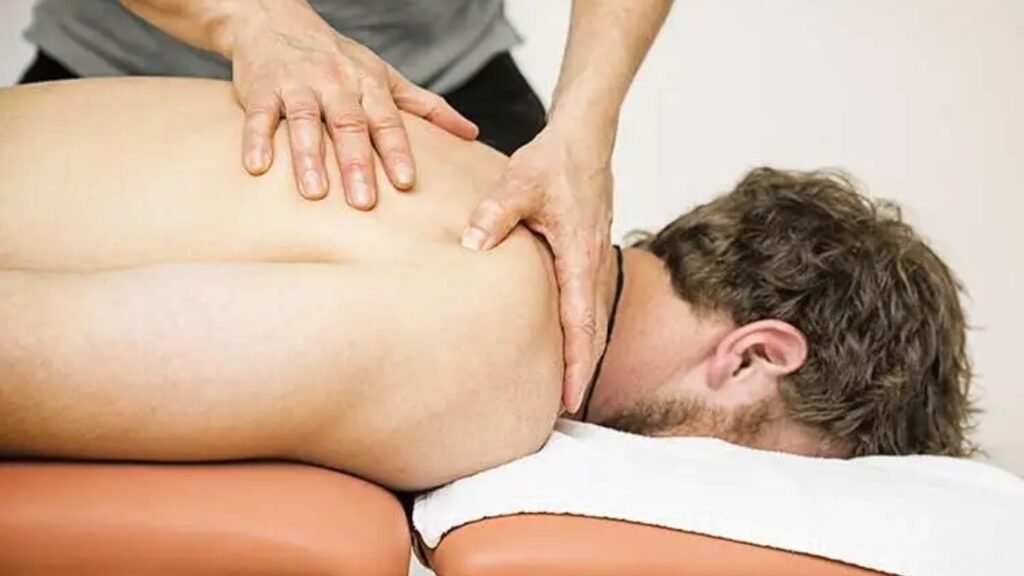
Trigger point release techniques, including massage, foam rolling, and acupuncture, have shown effectiveness in deactivating painful muscle knots and restoring muscle function. For example, releasing trigger points in the vastus lateralis can alleviate the stuck patella syndrome and improve knee mechanics. Additionally, strengthening exercises targeted at the quadriceps facilitate proper patellar tracking and reduce the risk of future injuries.
Correcting biomechanical issues through custom orthotics or gait training may also be necessary for those with anatomical predispositions such as high Q-angles. Importantly, a gradual return to activity under professional guidance prevents reinjury.
Preventive Measures and Lifestyle Adjustments
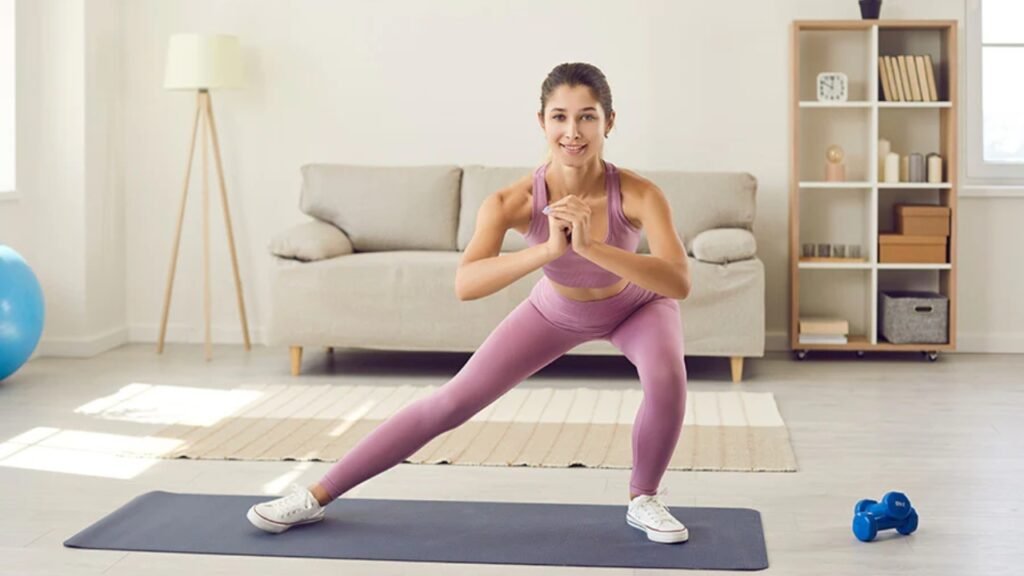
To prevent vastus lateralis muscle pain, regular stretching and strengthening programs focusing on the quadriceps and surrounding musculature are advised. Avoiding prolonged periods of sitting without movement can reduce sustained muscle shortening. Incorporating varied exercises that balance the lower limb muscles and promote overall flexibility helps maintain muscle health. Ergonomic adjustments at work and during exercise routines are beneficial as well for reducing continuous stress on the muscle.
Conclusion: Taking Control of Vastus Lateralis Muscle Pain
Understanding vastus lateralis muscle pain is essential for timely intervention and effective management. This pain, often caused by a combination of overuse, trauma, and muscle imbalances, can substantially impair mobility and quality of life if left unaddressed. By appreciating the anatomy and function of the vastus lateralis, recognizing symptoms early, and adopting appropriate treatments such as physical therapy and trigger point release, sufferers can regain function and reduce pain. Preventive strategies focusing on balanced muscle conditioning and ergonomic awareness are key to long-term relief.
With growing awareness and expert care, vastus lateralis muscle pain need not sideline anyone from living an active, pain-free life.
you may also like
Unlocking Mobility and Strength: The Ultimate Guide to Hip Circle Exercises