











































































































































































































































































































































































Walking to Lose Weight Chart (kg): 5 Key Insights for Effective Weight Loss

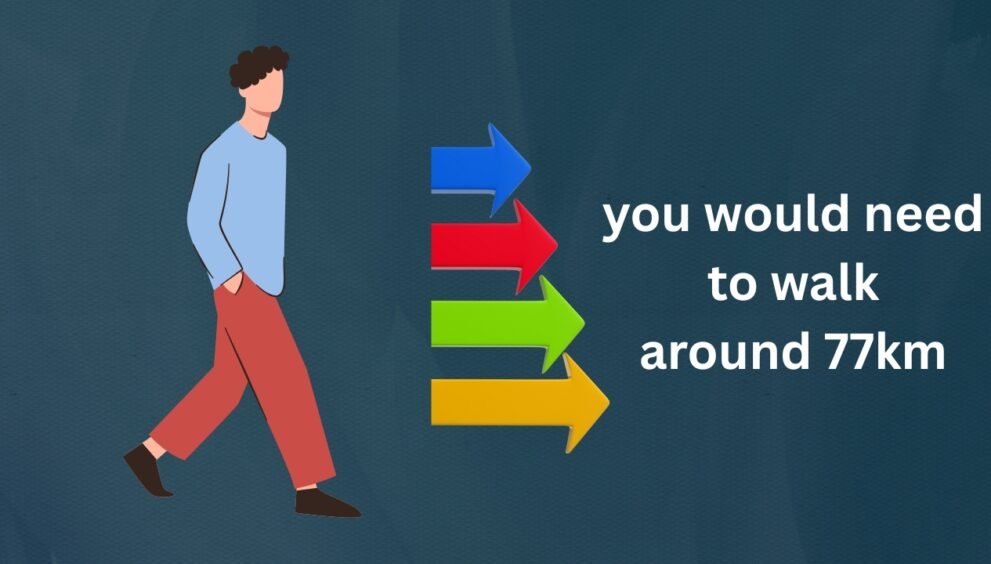
One of the most direct and easiest forms of physical activity, which can help in the process of losing weight, is walking. If you are new on the fitness ladder or you want another workout other than high-energy exercises, then walking will assist you in losing weight. Our blog of today will discuss a walking to lose weight chart (kg) in an attempt to comprehend how much weight you will lose, depending on your walking behavior. We shall also explore the topic of walking as a way to reduce weight, the advantages of walking, and the view of experts which you can use to perfect your workout.
What is Walking to Lose Weight?
The use of walking to reduce weight is regularly underrated, and it works to the greatest extent when practiced regularly. A half-hour of everyday fast walking will result in great weight loss, which cumulatively adds up. Walking, when combined with a healthy diet, can burn calories and raise metabolism. The trick is consistency and gradually increasing the intensity of walks and duration.
The walking to lose weight chart (kg) gives a hint of the total weight loss achieved with different durations of walking and speed. To take one example, an average person weighing 70 kg can burn approximately 150 calories by walking at a moderate pace for 30 minutes. In an hour, it is possible to burn up to 300 calories through walking, thus helping one to lose weight with sustained effort.
Interpretation of Walking to Lose Weight Chart (kg)
The walking to lose weight chart (kg) shows the weight you can likely lose depending on the amount of time you spend walking and the intensity of your walking pace.
Central Metrics in the Graph
- Time: The longer you walk, the more calories you burn. For example, 30 minutes of walking burns fewer calories than an hour of walking at the same intensity.
- Intensity: Brisk-paced walking (about 5-6 km/h) burns more calories than slow-paced walking (less than 3 km/h). The faster you walk, the more calories you burn.
- Weight: The number of calories burned during walking depends on your body weight. Larger individuals burn more calories per minute as their body has to work harder to move.
Here is an estimate of the calories burned in 30 minutes depending on weight and speed of walking:
| Body Weight (kg) | Slow (3 km/h) | Moderate (4.8 km/h) | Fast (6 km/h) |
|---|---|---|---|
| 55 kg | 100 calories | 130 calories | 160 calories |
| 70 kg | 120 calories | 160 calories | 200 calories |
| 85 kg | 140 calories | 180 calories | 220 calories |
Although this chart will be helpful for estimating how much weight you might lose by walking, the final outcome will differ since it also depends on other factors like diet, metabolic rate, and the terrain on which you walk.
Walking and Weight Loss: Expert Insight
Dr. Jason Fung, one of the most well-known specialists on obesity and intermittent fasting, says,
“Walking is a terribly underestimated weight-loss exercise. It has a low impact, and it’s easy for the majority to participate in without needing specialized machines. Through regular walking, you can create a calorie deficit, which is the main ingredient in weight reduction!”
This aligns with what most experts believe – that the core principle of weight loss is creating a calorie deficit. Walking can assist in doing this without placing undue pressure on the body. A brisk walk can help you burn fat and lose weight by increasing energy expenditure.
The Science Behind Walking and Weight Loss
When walking at a moderate speed, your heart rate increases and stays elevated for an extended period. This cardiovascular exercise helps your body use fat as energy. While walking, your body utilizes stored fat for fuel, helping you lose weight. Unlike other activities that rely on carbohydrates for energy, walking is a fat-burning exercise.
Walking also positively impacts metabolism. Research shows that frequent walking enhances mitochondrial function in the body, allowing it to generate energy more effectively. It also helps regulate insulin sensitivity, which enhances fat burning.
The Merits of Walking for Weight Loss
Apart from burning calories, walking has several other health benefits that assist in weight loss:
1. Better Cardiovascular Health
Walking strengthens your heart, reducing the effort needed to pump blood. A healthier heart supports overall fitness, which aids weight loss.
2. Improved Mental Well-being
Walking is an excellent stress reliever. Reducing stress leads to lower cortisol levels, a hormone linked to abdominal fat accumulation.
3. Joint Health
As a non-weight-bearing exercise, walking is gentle on the joints and allows for daily practice without the risk of injury, unlike more intense activities.
4. Improved Muscle Tone
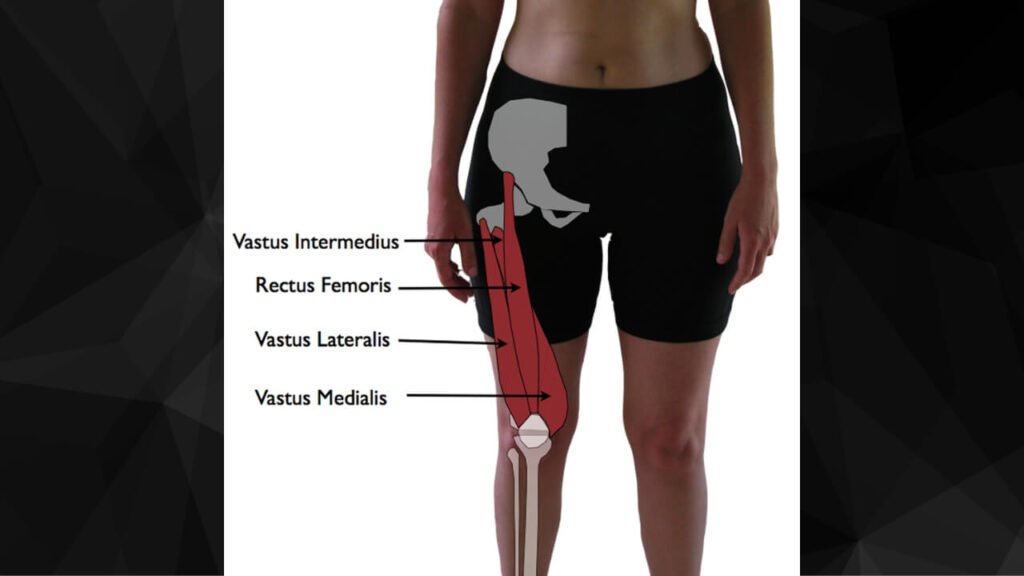
Walking tones and strengthens the lower body muscles, particularly the calves, quads, and glutes, leading to a leaner physique over time.
Walking Strategies to Maximize Weight Loss
To enhance the effectiveness of walking for weight loss, consider incorporating the following strategies:
1. Increase Your Pace
As mentioned earlier, walking at a faster pace burns more calories. Aim for brisk walking, where you can still talk but feel slightly winded.
2. Walk Uphill
Incorporating inclines into your walk can increase the intensity, leading to greater calorie burn. If possible, choose hilly terrain or use an incline treadmill.
3. Incorporate Interval Walking
Interval walking involves alternating between brisk walking and slower-paced walking. This increases the overall intensity of your walk and improves calorie burn.
4. Track Your Progress
Using a fitness tracker or walking app can help you monitor your time, speed, and distance. Tracking your progress allows you to increase intensity gradually and ensures continuous improvement.
Creating a Walking Schedule for Weight Loss
One of the most crucial aspects of using walking for weight loss is consistency. Here’s a sample walking schedule:
- Week 1-2: Walk for 30 minutes at a moderate pace, 3 times per week.
- Week 3-4: Increase walking time to 45 minutes, 4 times per week.
- Week 5 onwards: Walk for 60 minutes at a brisk pace, 5 times per week.
Adjust the intensity and frequency as needed to continue progressing toward your weight loss goals. Remember, consistency is key, and don’t be discouraged if results take time to appear.
Conclusion
Walking is a simple yet powerful tool for weight loss. The walking to lose weight chart (kg) gives you a clear idea of how much weight you can expect to lose with consistent effort. Keep in mind that walking is a low-impact, sustainable exercise that offers numerous health benefits beyond just weight loss. Pair regular walks with a balanced diet and proper sleep to maximize results, making walking one of the best choices for long-term health and fitness goals.
As Dr. Jason Fung aptly puts it, “Walking is an exercise anyone can do, and it’s one of the most effective ways to stay fit and shed pounds.” So, lace up your shoes and start walking your way to a healthier, leaner you.